
This post includes affiliate links. If you choose to purchase through them, I may receive a small commission at no extra cost to you.
Why I Chose the Canary Islands for a Surf Trip
When I first started researching surf destinations in Europe, the Canary Islands kept appearing in conversations.
Surfers described the islands as Europe’s version of Hawaii, with volcanic landscapes, warm weather, and quality waves throughout the year.
That reputation is what pushed me to book the trip.
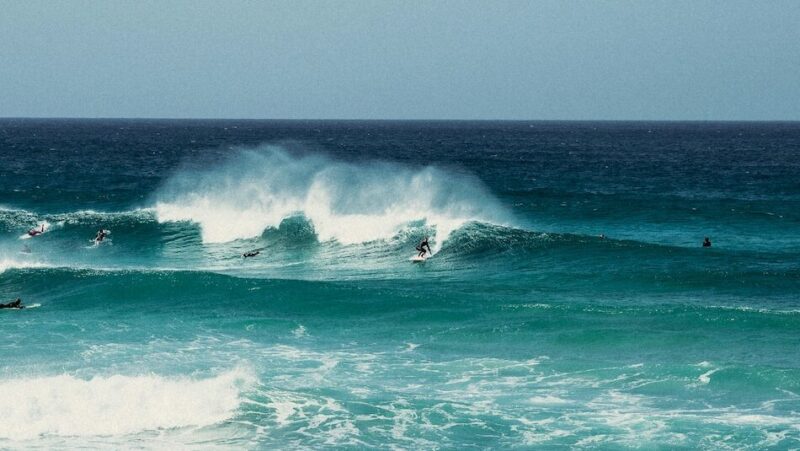
Looking back, this Canary Islands surf travel review starts with a simple reality. The islands were not exactly what I expected. They were windier, rougher, and more diverse than the photos suggested.
Instead of finding one perfect surf destination, I found three very different islands, each with its own personality.
That variety became one of the biggest reasons I enjoyed the experience so much.
In This Guide
The Islands I Visited and What They Were Really Like
My trip took me across Lanzarote, Fuerteventura, and Gran Canaria. Each island delivered a completely different surf experience.
Lanzarote felt raw and dramatic. Black volcanic rock lined much of the coastline, and the scenery looked almost otherworldly.
Fuerteventura had a wider range of beaches and surf zones, with endless stretches of sand and strong Atlantic exposure.
Gran Canaria combined surf with city life, giving me access to restaurants, cafés, and urban convenience between sessions.
If you are planning a Canary Islands surf vacation, understanding these differences is important.
Many people treat the islands as one destination, but they feel like separate surf trips rolled into one.
Famara Became My Favourite Surf Town
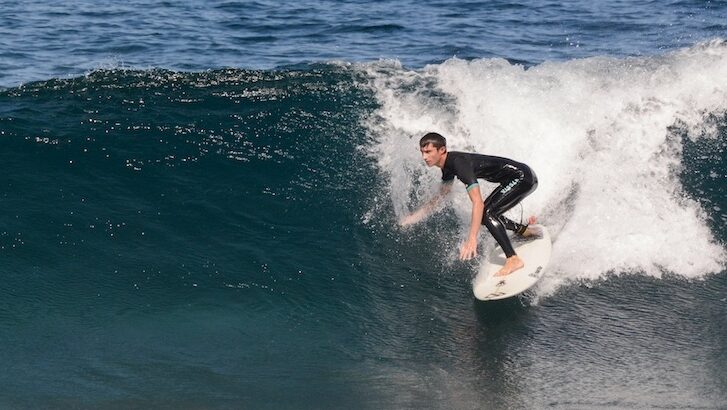
Out of every place I visited, Famara in Lanzarote stood out immediately. The town had everything I personally look for in a surf destination.
The beach seemed endless, the cliffs behind the town created an incredible backdrop, and daily life revolved around tides and swell forecasts.
Every morning surfers wandered toward the beach carrying boards while cafés slowly filled with people discussing conditions.
This was the place that shaped my overall Canary Islands surf travel review. Famara felt authentic without trying too hard.
Accommodation was affordable compared to many famous surf destinations, and the atmosphere remained relaxed even during busy periods.
I originally planned to stay for only a few days. Instead, I kept extending my stay because leaving felt harder than expected.
Corralejo, El Cotillo and Las Palmas Compared
Outside of Famara, I spent significant time exploring other well-known surf towns.
Corralejo had the most energy. There were plenty of restaurants, bars, surf shops, and nightlife options. It was easy to meet other travelers, and there was always something happening after sunset.
El Cotillo offered the opposite experience. Life moved more slowly there. The town felt quieter, more local, and less commercial.
Some evenings I would simply sit near the coastline and watch the Atlantic roll in without much else on the schedule.
Las Palmas was different again. It provided city comforts that smaller surf towns could not match. However, it also delivered some of the busiest lineups I encountered during the trip. Great waves often came with plenty of competition.
For anyone planning a Canary Islands surf vacation, choosing the right town can have as much impact on your trip as choosing the right surf break.

The Session That Captured Everything Great About Surfing Here
One morning in Famara perfectly captured what surfing in the Canary Islands feels like.
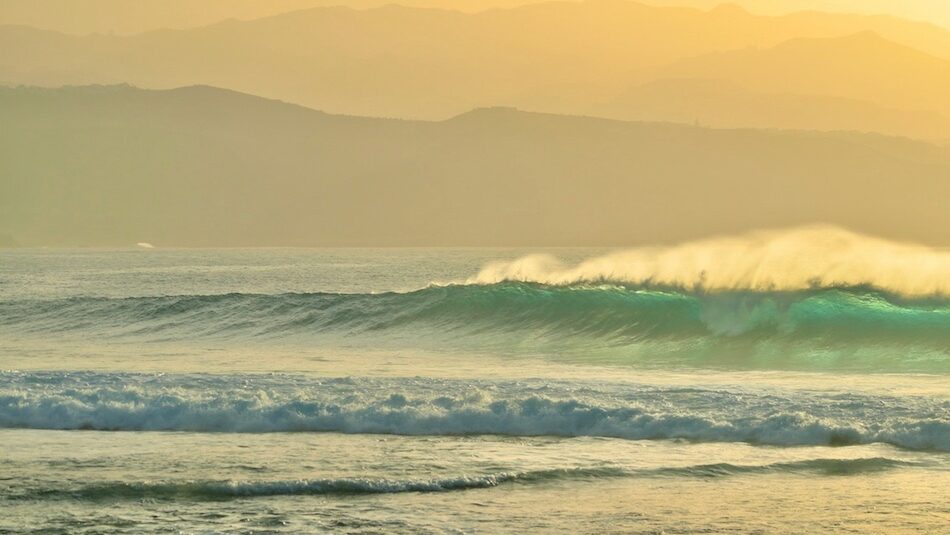
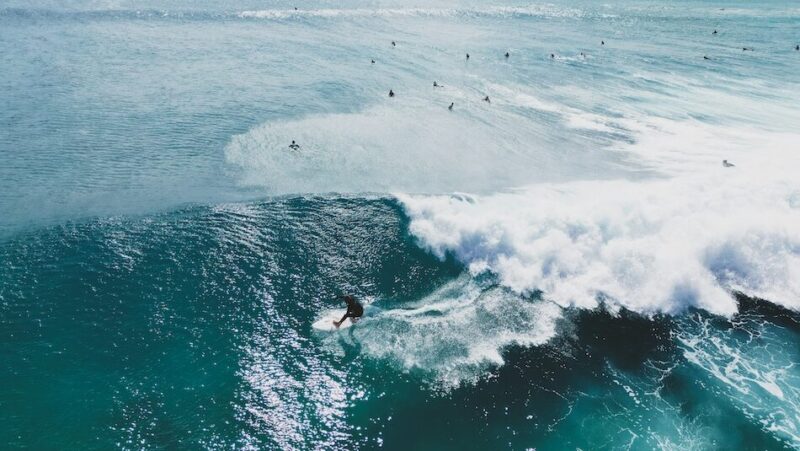
I paddled out shortly after sunrise. A light offshore breeze cleaned up the surface, and long waves peeled across the beach.
There were only a handful of surfers scattered through the lineup. Behind us, the cliffs glowed orange as the sun slowly climbed higher.
Every wave seemed to keep running. After nearly two hours in the water, my arms felt completely drained.
Walking back across the sand afterward, exhausted and smiling, reminded me exactly why I travel for surf.
Whenever someone asks for a Canary Islands surf travel review, that session is usually the first memory that comes to mind.
Discover The Best Surf Camps
In Canary Islands
Is the Canary Islands Good for Beginners?
Many travelers search for a beginner surfing in Canary Islands guide before booking flights, and I understand why.
The answer is both yes and no.
There are excellent beginner-friendly beach breaks, especially around places like Famara. Surf schools operate year-round, and many beaches offer forgiving waves when conditions cooperate.
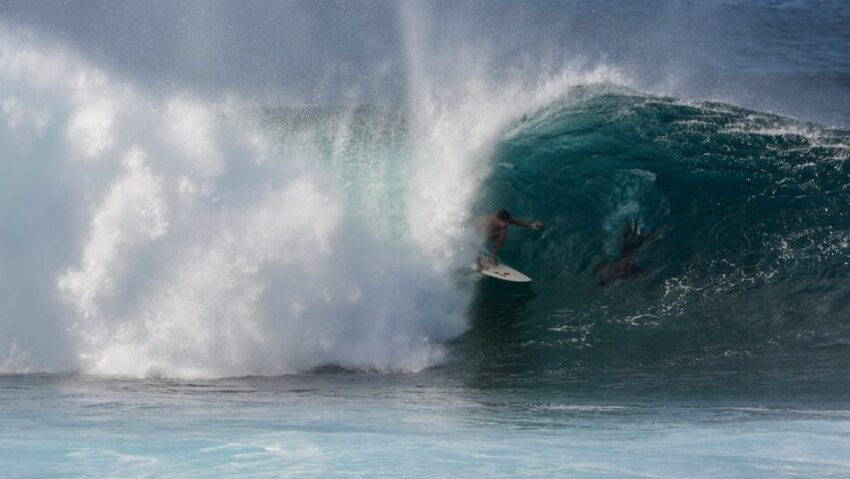
At the same time, some spots look far easier from shore than they actually are. Powerful reef breaks, volcanic rock, and strong currents can create challenging situations surprisingly quickly.
That is why I often recommend reading a proper beginner surfing in Canary Islands guide before choosing accommodation.
Beginners who stay near suitable beach breaks can have a fantastic experience. Those who accidentally book near advanced reef breaks may find the learning curve much steeper.
Mistakes I Made and What I Would Change
No surf trip is perfect, and mine certainly had a few mistakes.
My biggest error was choosing accommodation based purely on price. I thought I was saving money, but I ended up spending more time getting between surf spots than I wanted.
If I returned tomorrow, I would:
- Stay longer in fewer locations
- Prioritize accommodation near my preferred surf break
- Bring a broader board quiver
- Research wind patterns more carefully
- Allow extra flexibility in my itinerary
- Book accommodation earlier during busy periods
These lessons significantly shaped my overall Canary Islands surf travel review because they affected my experience more than any individual surf session.
How the Canary Islands Compare to Other Surf Destinations
Having surfed in places like Morocco, Sri Lanka, Portugal, and Bali, I found the Canary Islands surprisingly unique.
Compared to Sri Lanka and Morocco, the waves felt more powerful and exposed. There was less room for error, especially around reef breaks.
Portugal offered similar consistency, but I generally found the Canary Islands warmer and visually more dramatic.
Compared with Bali, crowd levels varied. Some spots felt refreshingly uncrowded, while others attracted plenty of surfers. What stood out most was how unforgiving certain reefs could be.
Reading a beginner surfing in Canary Islands guide becomes particularly important if your previous experience comes mostly from soft beach breaks elsewhere.
Costs, Accommodation and Budget Expectations
One question I receive regularly involves the costs of surfing Canary Islands trip planning.
Overall, I found the islands more affordable than many popular surf destinations in mainland Europe.
Accommodation varied widely depending on season and location. Smaller surf towns often offered better value than major tourist centers.
Food costs remained reasonable, especially when eating at local cafés and restaurants rather than tourist-focused venues.
When estimating the costs of surfing Canary Islands trip, I would advise budgeting for transportation, accommodation, board hire if needed, and some flexibility for moving between islands.
The actual costs of surfing Canary Islands trip can stay fairly manageable if you avoid peak holiday periods and book accommodation early.
Challenges That Tested My Patience
Not every day delivered perfect surf.
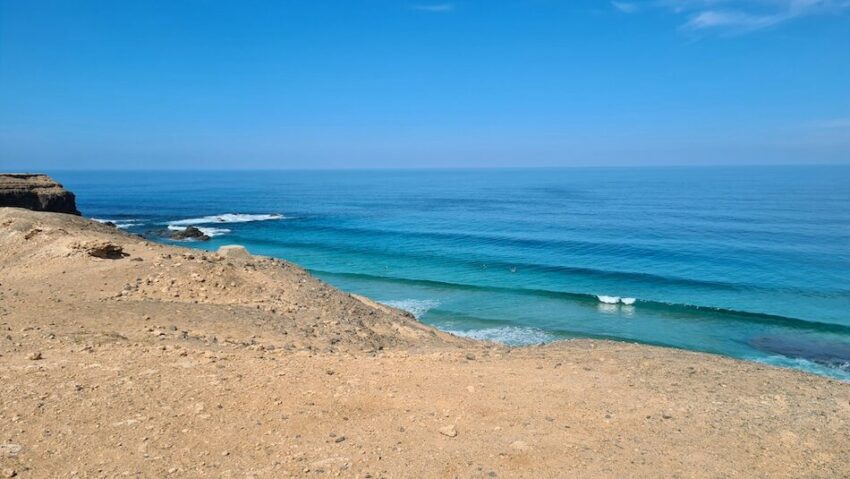
Several times strong winds completely disrupted my plans. I would wake up excited for a particular break, only to spend hours searching for alternatives.
I also underestimated a few reef breaks early in the trip. A couple of wipeouts introduced me to sharp volcanic rock far more closely than I wanted.
Nothing serious happened, but the experiences served as valuable reminders about respecting local conditions.
Those frustrating moments eventually became useful lessons. They forced me to slow down, study forecasts more carefully, and choose waves that matched both conditions and ability.
The reality is that any honest Canary Islands surf travel review should include these challenges because they are part of the experience.
Planning Your First Canary Islands Surf Vacation
For anyone planning a Canary Islands surf vacation, flexibility is probably the most important skill you can bring.
The islands reward surfers who adapt rather than force rigid schedules. Conditions change quickly, and having the freedom to explore different breaks often leads to the best sessions.
I also recommend packing for variable weather. While temperatures are generally pleasant, cooler days do happen. My 3/2 wetsuit handled most conditions comfortably, though I was glad to have extra gear available.
When planning a Canary Islands surf vacation, accommodation can disappear surprisingly fast during busy surf seasons. Booking early removes a lot of unnecessary stress.
Was a Canary Islands Surf Trip Worth It?
After weeks of exploring multiple islands, countless surf checks, and plenty of memorable sessions, I can confidently answer the question many people ask, is a Canary Islands surf trip worth considering?
For me, absolutely.
The waves were reliable, the landscapes felt unlike anywhere else I have surfed, and every island offered something different.
The memories that stay with me are not limited to surfing. I remember volcanic coastlines, sunrise drives, quiet cafés, and discovering hidden corners between surf sessions.
My final Canary Islands surf travel review is simple. The islands are not a flawless surf paradise, but they are far more interesting than that.
Stay flexible, choose your waves carefully, and give yourself enough time to settle into island life.
If you do, you will likely leave with the same feeling I had, already thinking about when you can return.
Explore Our Surf Guides
In Canary Islands
Frequently Asked Questions
Surf is available year-round, but autumn and winter generally bring larger and more consistent swells. Summer can still produce excellent conditions, particularly for beginners looking for smaller and more manageable waves.
Yes, but location choice matters. Beach breaks such as Famara can be excellent for learning, while some reef breaks are much more advanced and require experience navigating stronger surf conditions.
A 3/2 wetsuit worked well for most of my trip. Water temperatures remain relatively mild, but occasional cooler days and windy conditions make having a wetsuit worthwhile throughout the year.
That depends on your goals. Lanzarote offers excellent surf-town atmosphere, Fuerteventura provides huge variety, and Gran Canaria combines quality waves with city convenience and plenty of non-surf activities.
Accommodation, food, and transport are generally cheaper than many mainland European destinations. Costs vary by season, but careful planning can keep the trip surprisingly affordable for most travelers.
Absolutely. Conditions vary significantly between beaches and reefs. A good beginner surfing in Canary Islands guide helps identify suitable areas and prevents booking accommodation near waves beyond your skill level.
Crowds vary greatly. Popular city breaks and famous reefs can become busy, while less-known beaches often remain relatively quiet, especially during early morning sessions or outside peak travel periods.
Budget travelers can keep expenses reasonable, especially with shared accommodation. The biggest factors influencing the costs of surfing Canary Islands trip planning are accommodation choice, transport, and island hopping.