
This post includes affiliate links. If you choose to purchase through them, I may receive a small commission at no extra cost to you.
An Introduction To Noosa Heads Surf
-
 By
Matt
By
Matt
- Updated | July 27, 2026

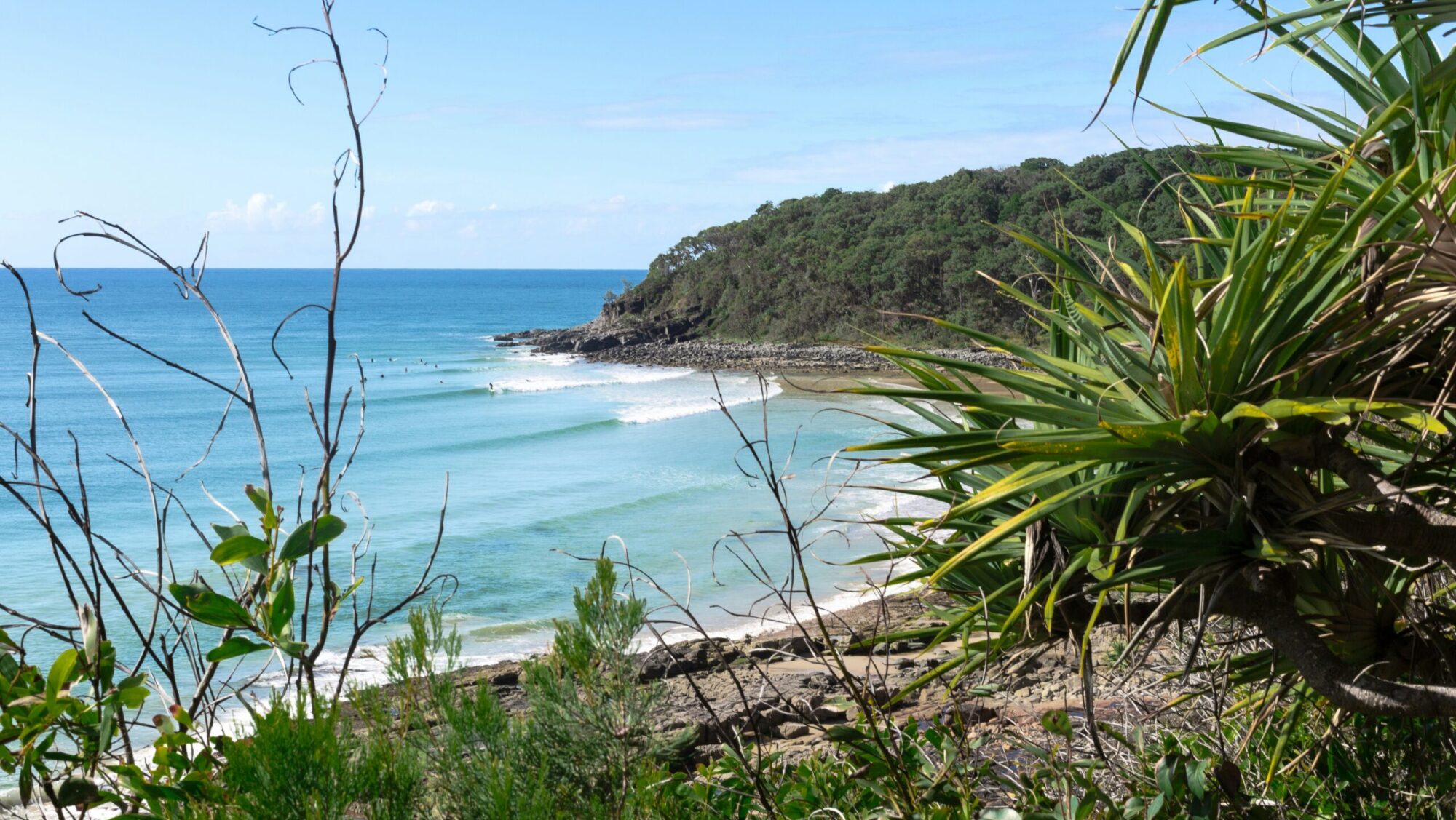
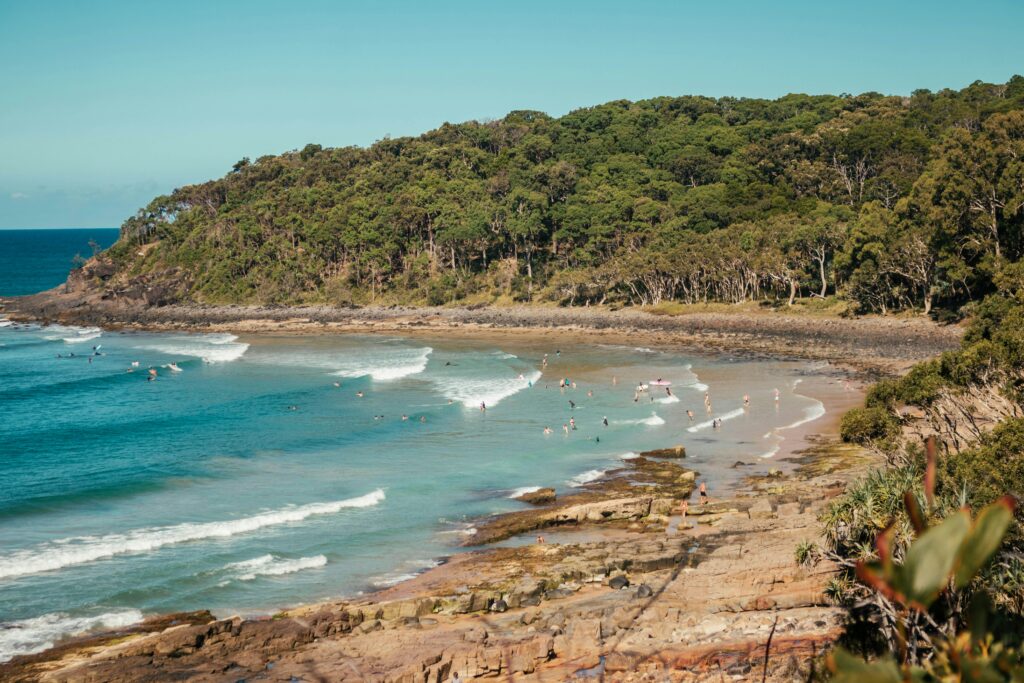
Just a few minutes from town, walk into the southern end of the famous golden sands of Noosa Main Beach, which becomes an afternoon playground, with gentle and reliable waves for surf beginners or anyone who just wants to enjoy a mellow surf session.
Always protected, this beach receives a steady flow of forgiving, fun little waves that offer a platform for honing skills while taking in postcard perfect views of the coast.
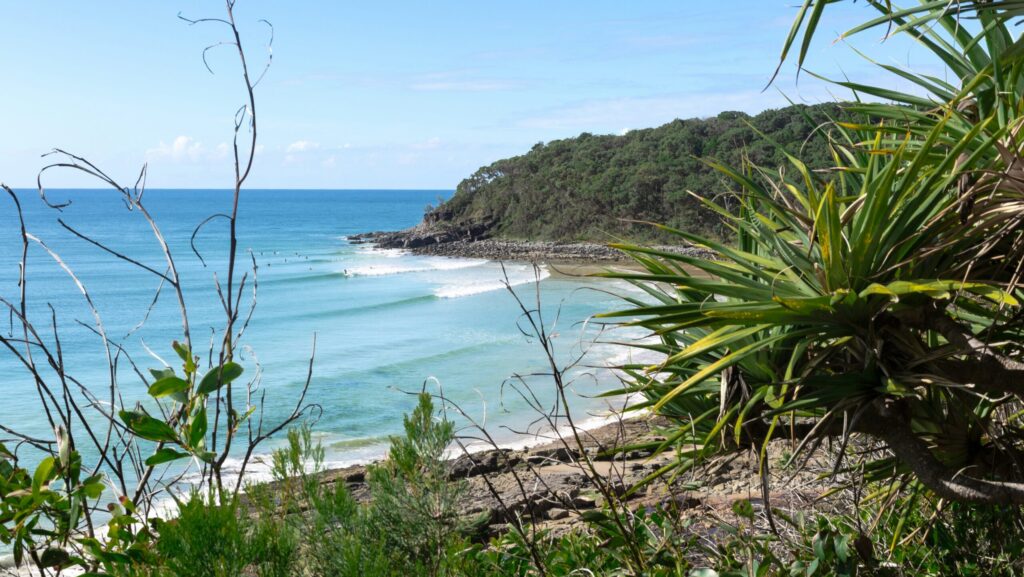
For advanced surfers wanting a slightly tougher challenge, the Noosa Heads surf breaks are that mixture of long peeling right handers at First Point combined with a beach breakout at Sunshine Beach.
A quick 15-20 minute walk or bike ride will give you an easy way to explore the varying waves of this region.
With great transport links, bike paths winding through scenic coastal landscapes, and a healthy surf culture, Noosa Heads is the go to base for anyone keen to dive into world-class waves anywhere on the Sunshine Coast.
Video by On The Gliss, originally published on YouTube.
In This Guide
Best Time To Surf Noosa Heads
| Jan | Feb | Mar | Apr | May | Jun | Jul | Aug | Sep | Oct | Nov | Dec |
|---|---|---|---|---|---|---|---|---|---|---|---|
|
|
|
|
|
|
|
|
|
|
|
|
|
-
Peak Noosa Heads Surf Season | December to April
Suited For Intermediate & Advanced
Summer & early autumn deliver the best Noosa Heads surf, with long-period cyclone swells & steady trade winds producing clean, peeling waves in the 3 to 6-foot range. When conditions align, this season offers some of the cleanest & most picturesque surf of the year, with long, peeling waves & warm water.
However, Noosa Heads surf during cyclone season can be unpredictable, some weeks deliver world-class waves, while others see smaller or choppy conditions due to onshore winds. The holiday season also brings heavy crowds, with surfers of all levels competing for waves, making early mornings the best time to score a less crowded session.
-
Shoulder Noosa Heads Surf Season | May, June, October & November
Suited For All Skill Levels
Autumn & spring offer more moderate Noosa Heads surf conditions, with waves generally in the 2 to 4-foot range. May & early June can still see the last of the cyclone swells, bringing occasional solid surf days, while October & November introduce the first signs of summer trade swells.
Offshore winds in autumn create clean, glassy mornings, making it an ideal time for smooth, consistent waves. Spring can be more unpredictable, with shifting winds affecting conditions. Crowds are lighter compared to peak summer, giving surfers more room to enjoy the iconic Noosa Heads surf without as much competition in the lineup.
-
Low Noosa Heads Surf Season | July to September
Suited For Beginners
Winter is the least consistent time for Noosa Heads surf, with smaller swells averaging 1 to 3 foot. As the dominant swell sources shift southward, Noosa’s waves become less powerful, though clean, offshore mornings still offer fun conditions for beginners & longboarders.
Westerly winds keep the water smooth, but the cooler temperatures mean a 3/2mm wetsuit is necessary, especially for early sessions. Crowds are much lower, making this a great time to enjoy relaxed, mellow Noosa Heads surf without the intense competition of peak season.
Noosa Heads Surf Temperature, What To Wear & Rainfall Guide
-
SUMMER
| Dec - Feb | -
AUTUMN
| Mar - May | -
WINTER
| Jun - Aug | -
SPRING
| Sep - Nov |
Noosa Heads Surf Temperature:
25–27°C (77–91°F)
What To Wear:
You’ll be comfortable in boardshorts/bikini. The water is warm, so you won’t need a wetsuit. If you’re planning long sessions, a rash vest can help with sun protection.
Rainfall:
This is the rainiest season, with 12–15 rainy days per month. Expect humid conditions & occasional afternoon storms, but plenty of sunshine between showers.
Noosa Heads Surf Temperature:
23–25°C (73–77°F)
What To Wear:
You can still get away with boardshorts/bikini, but if you’re sensitive to cooler water, a 1-2 mm spring suit can add some extra warmth.
Rainfall:
Rainfall starts easing off, with around 9–12 rainy days per month. The humidity drops, & the weather becomes more stable, making this a great time for consistent surf.
Noosa Heads Surf Temperature:
20–22°C (68–72°F)
What To Wear:
A 3/2 mm full wetsuit is the best choice. The water stays relatively mild, but early morning & evening sessions can feel a bit chilly without some insulation.
Rainfall:
This is the driest season, with around 6–9 rainy days per month. You’ll get mostly sunny days with cool mornings & pleasant afternoons.
Noosa Heads Surf Temperature:
22–24°C (72–75°F)
What To Wear:
A spring suit or a 2 mm wetsuit is ideal. The water is warming up, so some days you might even be fine in boardshorts/bikini.
Rainfall:
Spring sees increasing rainfall, with around 8–11 rainy days per month. Conditions are still mostly dry early in the season, but humidity starts creeping back toward summer levels
Surf Spots Within 5km or 3 Miles From Noosa Heads
| Noosa Heads Surf Spots | Distance from Noosa Heads | Wave Size | Wave Quality | Skill Level |
|---|---|---|---|---|
|
Noosa Main Beach |
Approx. 1km (0.6mi) |
2-4 foot |
Mellow beach break, consistent & beginner-friendly |
Beginner to intermediate |
|
First Point |
Approx. 1.5km (0.9mi) |
2-6 foot |
Classic right-hand point break |
Intermediate to advanced |
|
Boiling Pot |
Approx. 2km (1.2mi) |
2-6 foot |
Classic right-hand point break |
Intermediate to advanced |
|
Tea Tree Bay |
Approx. 2.5km (1.5mi) |
2-6 foot |
Classic right-hand point break |
Intermediate to advanced |
|
Granite Bay |
Approx. 3km (1.9mi) |
2-6 foot |
Classic right-hand point break |
Intermediate to advanced |
|
Sunshine Beach |
Approx. 2-3km (1.2-1.9mi) |
2-8 foot |
Powerful beach break, can handle larger swells |
Intermediate to advanced |
Further Information To Noosa Heads Surf Spots
- Noosa Main Beach
- First Point
- Boiling Pot
- Tea Tree Bay
- Granite Bay
- Sunshine Beach
Ideal Conditions:
- Tide: Mid to high tide
- Wind: South-southwest
- Swell Direction: Northeast
- Crowd Factor: High
Noosa Main Beach is renowned for its gentle, rolling waves, making it an excellent spot for beginners & longboard enthusiasts. The beach’s north-facing orientation provides shelter from prevailing winds, ensuring cleaner conditions even when other spots are blown out.
The sandy bottom & consistent, mellow waves offer a forgiving environment ideal for learning & refining techniques. Due to its accessibility & favorable conditions, the beach can become crowded, especially during peak tourist seasons.
Surfers should be mindful of swimmers & other beachgoers, as the area is popular for various recreational activities. Despite the crowds, Noosa Main Beach remains a quintessential surf destination, embodying the laid-back vibe of the Sunshine Coast.
Rating: 3.5/5
Ideal Conditions:
- Tide: Low to Mid tide
- Wind: South
- Swell Direction: East, Northeast
- Crowd Factor: High
First Point, located just beyond Noosa Main Beach, is celebrated for its long, peeling right-hand waves that are a haven for longboarders. The wave here is characterized by its smooth, predictable face, allowing for extended rides & graceful maneuvers.
During optimal conditions, surfers can enjoy rides stretching over 100 meters, making it a favorite spot for those seeking to perfect their style. The gentle takeoff & forgiving nature of the wave also make it suitable for intermediate surfers looking to transition from beach breaks to point breaks.
However, its popularity means that the lineup can become congested, particularly during weekends & holidays. Patience & respect for fellow surfers are essential to fully appreciate the experience at First Point.
Rating: 4/5
Ideal Conditions:
- Tide: Low to mid tide
- Wind: South
- Swell Direction: East, Northeast
- Crowd Factor: High
Situated within Noosa National Park, Boiling Pot offers a more challenging wave, appealing to experienced surfers seeking a faster, more powerful ride. The break derives its name from the swirling currents & wave action that can resemble a boiling cauldron.
Waves here are known for their steep takeoffs & hollow sections, providing opportunities for advanced maneuvers & barrel rides. The rocky shoreline & submerged formations contribute to the wave’s intensity, requiring surfers to have precise control & awareness.
Access involves a scenic walk through the national park, which can deter some crowds, but during significant swells, the spot attracts a dedicated contingent of skilled surfers. Given the wave’s power & the presence of rocks, it’s advisable for only confident surfers to tackle Boiling Pot.
Rating: 4.5/5
Ideal Conditions:
- Tide: Mid tide
- Wind: South
- Swell Direction: East, Northeast
- Crowd Factor: High
Nestled within the serene confines of Noosa National Park, Tea Tree Bay offers a picturesque setting complemented by quality right-hand point breaks. The wave here is versatile, accommodating both longboarders & shortboarders, with sections that allow for smooth carving turns & occasional cover-ups.
The bay’s natural beauty, framed by lush greenery & clear waters, enhances the surfing experience, making it a favorite among those seeking a tranquil session away from the more crowded spots.
Access requires a walk through the park, which helps moderate the crowd size. However, during peak swell periods, Tea Tree Bay can draw a substantial number of surfers. The rocky point & occasional strong currents necessitate a degree of caution, especially for those unfamiliar with the break.
Rating: 4.5/5
Ideal Conditions:
- Tide: Mid to high tide
- Wind: South
- Swell Direction: East, Northeast
- Crowd Factor: High
Granite Bay, located further along the Noosa National Park trail, is a less frequented spot offering powerful right-hand breaks suitable for advanced surfers. The wave here is known for its speed & intensity, with sections that can produce exhilarating rides & the occasional barrel.
The bay’s rocky outcrops & deep waters contribute to the wave’s force, making it imperative for surfers to possess strong skills & awareness. The secluded nature of Granite Bay means fewer crowds, providing a more solitary surfing experience amidst stunning natural surroundings.
Access involves a longer walk through the park, which can be rewarding as it deters less committed surfers. Due to the challenging conditions & remote location, it’s advisable to surf with a companion & ensure you’re well-prepared for the elements.
Rating: 4.5/5
Ideal Conditions:
- Tide: Mid to high tide
- Wind: Southwest
- Swell Direction: East, Northeast
- Crowd Factor: Moderate
Sunshine Beach, located just south of Noosa Heads, offers a more exposed beach break compared to the sheltered points of Noosa. This exposure allows it to pick up more swell, making it a consistent option for surfers seeking reliable waves.
The beach features multiple sandbanks that produce both left & right-hand waves, catering to a variety of surfing styles. On a good day, Sunshine Beach can serve up powerful, hollow waves suitable for advanced surfers, while smaller days provide fun conditions for intermediates.
The expansive shoreline means that crowds are often dispersed, allowing for a more relaxed surfing experience. However, surfers should be mindful of rips, especially during larger swells, as the open nature of the beach can lead to strong currents. Amenities such as nearby parking, cafes, & a laid-back community vibe make Sunshine Beach a favorite among locals & visitors alike.
Rating: 4/5
Travel Time To Noosa Heads Surf Spots
| Noosa Heads Surf Spots | Walking Time | Biking Time | Public Transport |
|---|---|---|---|
|
Noosa Main Beach |
Approx. 10 min. |
5 min. |
Not required |
|
First Point |
Approx. 15min. |
10 min. |
Not required |
|
Boiling Pot |
Approx. 20 min. |
10-15 min. |
Not required |
|
Tea Tree Bay |
Approx. 20-25 min. |
10-20 min. |
Not required |
|
Granite Bay |
Approx. 30 min. |
15-20 min. |
N/A |
|
Sunshine Beach |
Approx. 25 min. |
15 min. |
20 min.
(Bus routes from Noosa available) |

Compare Prices, Book Today
Accommodation In Noosa Heads
Find the ideal place for beachside accommodation easy through Booking.com for your surf trip to Noosa Heads. They offer all the choices, whether for luxury resorts or cheap hostels.
Use the search tool below to explore accommodation options, compare different places, and select your surf trip stay.
To elevate your experience beyond just catching waves, as Tripaneer organizes surf camps all over Australia. Expert coaching, comfortable lodging, and a friendly community come into play in these camps, bringing immersion into Australia surf culture and honing skills along the way.
| Accommodation Type | Description | Price Range (EUR)* | Price Range (USD)* |
|---|---|---|---|
|
Hostels |
Dormitory-style accommodation |
€55 to €70 |
$60 to $75 |
|
Mid-range Hotels/Serviced Apartments |
Studio apartments, motels, or 1-bedroom units |
€90 to €225 |
$100 to $270 |
|
Luxury Stays |
Luxury beachfront resorts or high-end apartments |
€270 to €600+ |
$300 to $650+ |
|
*Rates are per night and subject to change. |
|||
Noosa Heads Surf Lessons & Surf Schools
These three Noosa Heads surf schools provide expert coaching, quality equipment, & a fun, supportive environment for surfers of all levels. With Noosa Heads surf offering some of the best longboarding waves in Australia, learning here is both exciting & memorable.
Go Ride A Wave provides expert instruction in a fun and supportive environment, perfect for beginners and those wanting to improve their skills. Merrick’s Learn To Surf is another excellent option, with experienced coaches offering lessons tailored to your individual needs, ensuring a safe and enjoyable experience in the water.
Epic Surf Lessons focuses on small group and private sessions, making it a fantastic choice for personalized instruction and rapid progression. No matter your skill level, these Noosa Heads surf schools make it easy to build confidence in the water.
Noosa Heads Surf Camps
Noosa Heads does not really have surf camps, but it offers a wide range of local lodges that can make the place one of the most happening places for surfers who are very particular about their comfort and convenience. The area boasts everything from hotels to vacation homes and even beachside accommodations, many of which are just short strolls from Noosa’s famous surfing spots.
If you’re venturing south to Byron Bay, make the most of your trip with a 3-day, 2-night Surf & Stay experience at Soul Surf School. Designed for all skill levels, this package includes two days of expert-led surf lessons. You’ll stay in a fun, social accommodation just a quick walk from the beach, making it easy to enjoy Byron Bay’s surf culture.
Noosa Heads Surfboard Hire
These two Noosa Heads surfboard hire shops provide everything you need to enjoy the world-class waves of Noosa Heads surf. Offering a wide selection of boards for all skill levels, from soft-tops for beginners to high-performance shortboards & classic longboards, they make it easy to find the perfect board for your session.
Go Ride A Wave offers a variety of surfboard rentals conveniently located near Noosa’s popular beaches. Merrick’s Learn To Surf also provides high-quality board hire, making it easy to gear up and enjoy the iconic waves at your own pace.
Whether you’re exploring the famous points or catching waves at Main Beach, these Noosa Heads surfboard hire options ensure you have quality gear to make the most of your time in the water.
Australia eSIM & Mobile Data Guide
Australia travel becomes more convenient when you can access the internet wherever you are.
Airalo helps you avoid local SIM card queues with a quick eSIM activation process. Stay connected for maps, bookings, and travel updates from day one.
View Australia eSIM plans available now.
Noosa Heads Surf Report & Surf Cam
Catching up with Noosa Heads surf conditions would help you ride a few more waves.
Surf-Forecast provides you with factual data on the tides and swell direction while subscribing to Surfline gives you live cams that show real surf conditions at the most popular surfing spots in Australia.
How To Get To Noosa Heads Surf
- Sunshine Coast Airport (MCY) To Noosa Heads
Distance: 30km (19mi)
The best way to get to Noosa surf is by flying into Sunshine Coast Airport (MCY). Although smaller than Brisbane Airport (BNE), it offers a much more convenient option for travellers.
- Taxi/Rideshare
- Public Transport
- Shuttle Service
Taxi or Rideshare
Approx. 30-40 mins.
Details:
Taxis and ride-share services like Uber and Ola are readily available at the airport’s designated pick-up zones. This option provides a direct, hassle-free journey along the Sunshine Motorway, with minimal travel time. Ideal for those traveling in groups, this is the quickest way to reach Noosa Heads surf.
Booking your taxi early with Kiwitaxi allows you to skip the airport queues. It’s a great option for travelers with boards or bulky luggage, providing a stress-free transfer from the airport to your accommodation after a long flight.
Public Transport
Approx. 1-1.5 hrs.
Details:
From Sunshine Coast Airport, take Bus Route 622 toward Noosa Heads, departing from the airport’s bus stop. The bus runs approximately every hour and stops in Maroochydore before continuing north along the coast.
If schedules don’t align, an alternative is to take Bus 620 from Maroochydore, which offers more frequent departures. This option is the most affordable but may take longer due to multiple stops along the route.
Shuttle Service
Approx. 40-60 mins.
Details:
Multiple shuttle companies operate direct services from Sunshine Coast Airport to Noosa Heads, offering shared or private transfers. These shuttles are pre-booked and typically align with flight arrivals to minimize wait times.
They provide a balance between cost and convenience, making them a great mid-range option for solo travelers or small groups.
Pre-arranged shuttle transfers through Kiwitaxi mean your vehicle will be waiting when you land. This service helps you avoid long waits & get to the beach quickly, starting your holiday with ease & comfort.
- Brisbane Airport (BNE) To Noosa Heads
Distance: 130km (80mi)
Since Sunshine Coast Airport (MCY) is relatively small, most international flights land at Brisbane Airport (BNE). Here are the various transportation options to get from BNE to Noosa surf.
- Taxi/Rideshare
- Public Transport
- Shuttle Service
Taxi or Rideshare
Approx. 1.5-2 hrs.
Details:
Taxis and ride-share services like Uber and Ola operate from designated pick-up zones at Brisbane Airport. The trip follows the M1 and Bruce Highway for a direct transfer to Noosa Heads surf.
Secure your taxi transfer before your trip through Kiwitaxi. This helps you avoid waiting when you arrive, especially if you carry bulky equipment or surfboards. Booking ahead ensures a quick, smooth ride from the airport to your destination, making your trip more relaxed.
Public Transport
Approx. 2.5-4 hrs.
Details:
Upon arrival, take the Airtrain from Brisbane Airport to Eagle Junction Station, then transfer to a train to Nambour (about 2 hours total, $10–$15 USD). From Nambour, catch Bus 630 or 631 toward Noosa Heads, which takes another hour.
This option is budget-friendly but involves multiple transfers, so it’s best for travelers comfortable navigating public transit.
Shuttle Service
Approx. 2-3 hrs.
Details:
Several shuttle companies offer direct transfers from Brisbane Airport to Noosa Heads, with services that align with flight arrivals. These shuttles are pre-booked and offer a comfortable ride with air conditioning and ample luggage space.
Shared transfers may include stops in other Sunshine Coast towns, while private options provide a faster, direct route.
With Kiwitaxi, you can pre-book your shuttle so that it’s ready when you land. This convenient service minimizes waiting times, offering a fast & comfortable ride from the airport to the beach as soon as you arrive.
- Book Your Brisbane Airport To Noosa Heads Private Transfer
Reaching your surf base after landing is much easier when you already know how you are getting there.
Kiwitaxi provides transfers from Brisbane Airport to beach destinations throughout Australia. Explore the available options below.
Travel Insurance For Your Australia Surf Trip
The ocean can be unpredictable, and so can travel. That’s why it makes sense to cover yourself before heading to Australia for surf.
Visitors Coverage offers solutions that match the reality of surf travel, helping you focus on the waves, not the “what ifs.”
From broken boards to broken bones, life happens. But with the right protection, you stay in control. Australian surf trips deserve that kind of peace of mind.
How To Enjoy Noosa Heads On Flat Surf Days
A slow surf day in Noosa gives you the perfect excuse to explore one of Australia’s most beautiful coastal regions. The Sunshine Coast offers plenty of experiences beyond the ocean.
Spend your time walking through Noosa National Park, spotting wildlife, exploring Hastings Street, enjoying local seafood, or taking a relaxing river cruise.
You can browse Viator for Noosa and Sunshine Coast experiences, tours, and activities that make it easy to plan your next adventure.
Australian Travel Information | 7 Essentials You Need To Know
Australia offers top-tier surf and modern infrastructure, making travel easy. You’ll be using Australian Dollars, and nearly all businesses accept cards.
Water from the tap is safe and accessible nationwide. WiFi is reliable in cities and surf towns, though you might lose coverage off grid.
For details on safety, visas, health care, and other essential travel tips, our Australia surf page covers all 7 essentials you should know before your trip.
Keep Exploring With More Australian Surf Destinations
Sunshine Coast Surf Guide

Written by Matt
Surfer for nearly 20 years and an environmental scientist for nine, Matt grew up on the Sunshine Coast in Australia and now calls Melbourne home. He’s all about finding surf towns you can reach without a car and writes simple surf guides to help you do the same.