
This post includes affiliate links. If you choose to purchase through them, I may receive a small commission at no extra cost to you.
Puerto Viejo Surf Guide Overview
-
 By
Matt
By
Matt
- Updated | July 16, 2026

Set between lush rainforest and the Caribbean coastline, Puerto Viejo offers a unique surf experience with waves, wildlife, and a relaxed atmosphere that suits surfers of different experience levels.
This Puerto Viejo surf guide covers everything you need to plan a Caribbean surf trip to Costa Rica, including the best waves, surf seasons, beaches, accommodation options, surf schools, and essential travel tips.
Just five minutes on foot or a bike ride from the town center, Salsa Brava rises above the rest for being the most famous and powerful wave in the area.
If you’re a beginner just starting out or an intermediate looking to improve your skills, down the road from Salsa Brava are the much milder waves of Playa Cocles, which are perfect for beginners and intermediates alike, with a sandy bottom ensuring a safe and fun ride.
The Puerto Viejo surf scene makes everything quite easy and accessible.
Quick Facts About Puerto Veijo
Country
Costa Rica
Location
Caribbean Coast
Best Surf Season
December to April
Water Temperature
27–28°C (81–82°F)
Best For
All Experience Levels
Closest Airport
San Jose International Airport (SJO)
Video by Alejandro Faba, originally published on YouTube.
In This Guide
How Many Days For A Puerto Viejo Surf Trip?
Puerto Viejo is a destination where you can slow down, so giving yourself enough time makes the experience much better.
Between surfing, exploring beaches, cycling around town, and enjoying the local culture, most travellers benefit from staying longer than just a few days.
Quick Surf Trip
2 to 3 Days
A short trip gives you enough time to surf the main breaks, visit Playa Cocles, explore Puerto Viejo town, and experience the relaxed Caribbean.
Recommended
5 to 7 Days
A week is the ideal length for most surfers, giving you time to chase better waves, take surf lessons, explore nearby beaches, and enjoy the area without rushing.
Slow Travel
10+ Days
With two weeks, you can fully settle into Puerto Viejo life, wait for better surf conditions, discover hidden beaches, visit nature spots, and enjoy a slower Costa Rican adventure.
Best Time To Surf Puerto Viejo
| Jan | Feb | Mar | Apr | May | Jun | Jul | Aug | Sep | Oct | Nov | Dec |
|---|---|---|---|---|---|---|---|---|---|---|---|
|
|
|
|
|
|
|
|
|
|
|
|
|
-
Peak Puerto Viejo Surf Season | December to April
Suited For All Skill Levels
Puerto Viejo surf peaks from December through April, with clean, consistent waves rolling in across the Caribbean coast. This time of year offers rideable, mellow swells perfect for both learning & progression. Puerto Viejo surf during the peak season stands out for its smooth rides & laid-back atmosphere, drawing surfers who value flow & style.
Whether you’re linking graceful turns or just starting out, the welcoming conditions of Puerto Viejo surf create a tropical paradise for wave riders. Add in warm water & picturesque scenery, & it’s easy to fall in love with the surf here.
-
Shoulder Puerto Viejo Surf Season | May & November
Suited For All Skill Levels
In May & November, Puerto Viejo surf shifts into a gentler rhythm. While the swells aren’t as powerful, the waves remain well-formed & accessible, making it a fantastic time for learning or refining skills. Puerto Viejo surf during the shoulder season caters to surfers seeking fewer crowds & more relaxed sessions.
The atmosphere is peaceful, the wind is variable, & the ocean is still welcoming. Whether you’re on a shortboard or longboard, Puerto Viejo surf in these transitional months offers a great balance of fun & comfort.
-
Low Puerto Viejo Surf Season | June to October
Suited For Beginners & Intermediate
From June through October, Puerto Viejo surf enters its low season, marked by smaller swells & softer wave energy. These gentle conditions are ideal for beginners or anyone looking to enjoy a calm & steady surf session. Puerto Viejo surf during the low season is all about ease, easy paddles, long rides, & a mellow lineup.
Even in the rainy season, the waves stay consistent enough to practice your pop-up or cruise down the line. For a chilled-out experience focused on flow & fun, Puerto Viejo surf in these months is the perfect fit.
Similar Surf Destinations To Puerto Viejo
If you enjoy Puerto Viejo’s Caribbean charm, jungle-covered coastline, and laid-back approach to surfing, similar destinations worth exploring include Weligama in Sri Lanka, Sayulita in Mexico, and Taghazout in Morocco.
Weligama offers a gentle introduction to surfing with sandy-bottom breaks and a strong surf school scene, while Sayulita combines colourful streets, local markets, and easy beach access.
For surfers looking for a destination built around the waves, Taghazout provides a traditional surf village atmosphere with famous breaks spread along Morocco’s coastline.
Puerto Viejo Water Temperature, Surf Gear & Weather Guide
-
SUMMER
| Jun - Aug | -
AUTUMN
| Sep - Nov | -
WINTER
| Dec - Feb | -
SPRING
| Mar - May |
Puerto Viejo Water Temperature:
27–28°C (81–82°F)
What To Wear:
Boardshorts/bikini paired with a rash guard are recommended to take advantage of the tropical warmth & protect against the sun during longer sessions.
Rainfall:
Being on the Caribbean coast, expect regular showers with around 10–14 rainy days per month, creating playful, gentle waves in a humid environment.
Puerto Viejo Water Temperature:
27–28°C (81–82°F)
What To Wear:
Boardshort/bikini remain ideal. Adding a rash vest is a smart option for extra protection under the stronger Caribbean sun during this active season.
Rainfall:
Heavy rainfall is common, with roughly 12–16 rainy days per month, which often brings a mix of solid swell & variable wind conditions.
Puerto Viejo Water Temperature:
27–28°C (81–82°F)
What To Wear:
A light rash guard with boardshorts/bikini is sufficient, as the water retains its tropical warmth even during the cooler months.
Rainfall:
Rainfall lessens somewhat, with about 7–10 rainy days per month, resulting in relatively calmer surf & more consistent conditions.
Puerto Viejo Water Temperature:
28–29°C (82–84°F)
What To Wear:
Maintain the use of boardshorts/bikini, with a rash vest if needed for extended sessions in the sun.
Rainfall:
Rainfall moderates to around 8–12 rainy days per month. Conditions remain consistent, offering a blend of playful waves with intermittent showers.
Surf Spots Within 5km or 3 Miles From Puerto Viejo
| Puerto Viejo Surf Spots | Distance from Puerto Viejo | Wave Size | Wave Quality | Skill Level |
|---|---|---|---|---|
|
Salsa Brava |
In town centre |
4-8+ foot |
Heavy reef break |
Advanced only (sharp reef) |
|
Playa Cocles |
Approx. 1.5km (0.9mi) south |
2-6 foot |
Consistent beach break |
All levels |
|
Playa Negra |
Approx. 1.5km (0.9mi) north |
1-4 foot |
Mellow beach break |
Beginner to intermediate, good for building confidence |
Puerto Viejo Surf Spot Guide
- Salsa Brava
- Playa Cocles
- Playa Negra
Ideal Conditions:
- Tide: Mid to high tide
- Wind: West
- Swell Direction: East
- Crowd Factor: High
Salsa Brava stands as the crown jewel of Puerto Viejo’s Caribbean surf scene, delivering some of the most powerful & challenging waves along the coast. Best surfed at mid tide when a steady east swell combines with light westerly winds, this break produces fast, hollow barrels over a rocky reef.
The wave’s aggressive takeoff & rapid, peeling sections demand precision & strong technique, making it a destination strictly for advanced surfers. Its high‑performance nature attracts a competitive lineup, especially during prime swell periods, & the break’s intensity creates an adrenaline‑pumping experience that few other spots can match.
Beyond the thrill of the ride, the lush tropical surroundings & vibrant local surf culture further elevate the allure of Salsa Brava, ensuring every session is as challenging as it is unforgettable.
Rating: 5/5
Ideal Conditions:
- Tide: Mid to high tide
- Wind: West & southwest
- Swell Direction: East & northeast
- Crowd Factor: High
Playa Cocles is a beloved staple in Puerto Viejo’s surf lineup, offering a long, peeling beach break that caters to a wide range of skill levels. At mid tide, a consistent east‑northeast swell paired with light west winds creates smooth, rolling waves over a soft, sandy bottom.
This forgiving break is ideal for beginners & intermediate surfers who enjoy extended rides & a relaxed pace to refine their technique. Although its reliability draws a high crowd during peak seasons, the expansive shoreline typically provides ample space to find a quality takeoff.
The friendly, laid‑back atmosphere combined with a strong local surf culture makes Playa Cocles not only a great learning spot but also a vibrant community hub where every surf session feels welcoming & invigorating.
Rating: 3.5/5
Ideal Conditions:
- Tide: Mid tide
- Wind: West
- Swell Direction: East & southeast
- Crowd Factor: High
Playa Negra distinguishes itself with its dramatic dark volcanic sand & a more dynamic wave profile, offering a robust challenge for intermediate to advanced surfers. Best experienced at mid tide, a well‑aligned east‑southeast swell combined with light west winds produces fast, reactive waves that break over a mixed sandy & rocky bottom.
The break features a steeper takeoff & occasionally hollow sections, rewarding confident maneuvers with exhilarating rides. While its intensity draws a moderate crowd, the unique character & consistent quality of the wave make Playa Negra a favorite among those looking to elevate their surfing skills.
The striking contrast between the dark sand & the vivid Caribbean blue creates a memorable setting, ensuring that every session here is both challenging & visually stunning.
Rating: 4/5
How To Reach Puerto Viejo Surf Spots Without A Car
| Puerto Viejo Surf Spots | Walking Time | Biking Time | Public Transport |
|---|---|---|---|
|
Salsa Brava |
5 min. |
5 min. |
Not required |
|
Playa Cocles |
Approx. 15-20 min. |
5-10 min. |
5-10 min.
(Local bus)
|
|
Playa Negra |
Approx. 25 min. |
10 min. |
10-15 min.
(Local bus)
|
Surfing Puerto Viejo Without A Car
Exploring Puerto Viejo without a car is simple, and this Puerto Viejo surf guide shows why the town works so well for travellers who prefer a slower beach lifestyle.
Most surfers can easily reach the main beaches by walking, cycling, or using local transport.
Cycling is one of the best ways to get around Puerto Viejo, especially if you want to move between town, Playa Cocles, and nearby beaches at your own pace.
Puerto Viejo Bike Rentals and Pura Ride Puerto Viejo offer bike hire options, making it easy to carry your surf gear and explore the coastline.
Salsa Brava is only a short walk or bike ride from town, while Playa Cocles and Playa Negra are also simple to reach without needing your own vehicle. For longer distances or when carrying boards, taxis are available and can make travelling around the area more convenient.
Puerto Viejo Surf Culture & Local Lifestyle
Puerto Viejo offers a different experience from many of Costa Rica’s Pacific surf towns, with a strong Caribbean influence and a slower, more relaxed atmosphere.
The town is known for reggae music, colourful streets, Afro-Caribbean flavours, and a local culture that blends naturally with the ocean lifestyle.
Many travellers explore the area by bicycle, moving between beaches, surf spots, restaurants, and jungle surroundings at an easy pace.
The local surf community includes everyone from experienced surfers chasing waves at Salsa Brava to beginners learning at Playa Cocles, creating a welcoming environment both in and out of the water.

Compare Prices, Book Today
Puerto Viejo Accommodation
Choosing where to stay is an important part of planning your trip, and this Puerto Viejo surf guide covers the best accommodation options for different travel styles and budgets.
Booking.com is one stop for accommodation for your surf trip to Costa Rica. Use the search tool below to compare accommodation, check availability, and book a stay that suits your surf trip.
For surfers wanting a bit more of an experience in Costa Rica, Tripaneer organizes surf camps offering expert teaching, comfortable accommodation, and a friendly atmosphere.
If Puerto Viejo does not match your travel style, explore other Costa Rican surf towns like Santa Teresa for a slower beach escape, Tamarindo for easy surf access and nightlife, or Jaco for convenience and beginner-friendly waves.
| Accommodation Type | Description | Price Range (EUR)* | Price Range (USD)* |
|---|---|---|---|
|
Hostels |
Dormitory-style accommodation |
€12 to €30 |
$15 to $35 |
|
Mid-range Hotels/Serviced Apartments |
Studio apartments, motels, or 1-bedroom units |
€35 to €90 |
$40 to $100 |
|
Luxury Stays |
Luxury beachfront resorts or high-end apartments |
€110 to €300+ |
$120 to $320+ |
|
*Rates are per night and subject to change. |
|||
Puerto Veijo Surf Trip Budget Guide
Puerto Viejo can suit different travel styles, from affordable backpacker trips to more comfortable tropical escapes.
Your daily costs will depend on where you stay, how often you eat out, and how many surf activities you add.
Budget Surf Trip
$50–$80 USD per day
Includes:
– Hostel or basic room
– Local food
– Walking or bike rental
– Beach time
– Basic surf gear
Comfortable Surf Trip
$120–$180 USD per day
Includes:
– Private room or apartment
– Restaurants meals
– Surf lessons
– Transport costs
– Tours & activities
Premium Surf Trip
$220+ USD per day
Includes:
– Luxury stay
– Private lessons
– Private transport
– Premium dining
– Local experiences
Puerto Viejo Surf Lessons & Surf Schools
Learning to surf in Puerto Viejo is a popular choice thanks to the warm water, consistent waves, and friendly local instructors who help beginners build confidence.
Puerto Viejo Surf and Tours delivers expert instruction with both group and private lessons, tailoring each session to help you progress confidently in the water.
Surf The Jungle stands out for its personalized coaching, providing a high-quality learning experience in this idyllic setting. Another great option is Lewis Brother Surf, known for its friendly instructors and skill-focused approach, making it a favorite among both beginners and those refining their technique.
With a welcoming atmosphere and a range of tailored lessons, Puerto Viejo surf schools make it easy to progress in the water while soaking up the town’s relaxed charm.
Is Puerto Viejo Good For Beginners?
While Salsa Brava is famous for its powerful reef break and should only be attempted by experienced surfers, beaches like Playa Cocles and Playa Negra offer much more forgiving conditions for new surfers.
The combination of sandy-bottom waves, tropical weather, and a welcoming surf community makes Puerto Viejo a comfortable place to build confidence.
Beginners can start with lessons, practise their technique, and slowly progress before trying more challenging waves.
This Puerto Viejo surf guide shows why the town can be a great choice for beginners, especially if you want warm water, friendly instructors, and a relaxed place to learn.
Puerto Viejo Surf Camps
Puerto Viejo is a great destination for surfers who want to combine wave progression with a tropical travel experience.
For a fully immersive surf retreat, Surf The Jungle’s surf camp is an exceptional choice. Their multi-day packages combine professional surf instruction with comfortable accommodations, fostering a sense of community among surfers.
If you’re heading to Costa Rica’s Pacific Coast, don’t miss the Tamarindo surf camp experience at La Botella de Leche. This relaxed, social spot offers cozy accommodation and easy access to Tamarindo’s consistent waves, perfect for surfers of all levels. More information about the camp, can be found on our Tamarindo surf page.
Additionally on the Pacific coast, Jaco is home to a wide range of excellent surf camps, and you can find more details on our dedicated Jaco surf page.
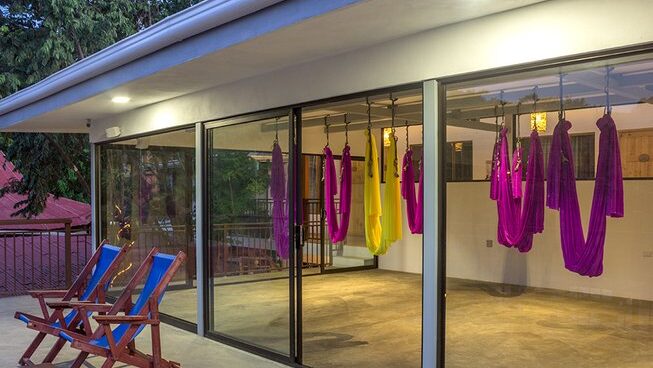
More Surf Camp Reads In Costa Rica
Browse the Surf Camps In Costa Rica For Beginners for easy learning trips, relax into the 6 Best Costa Rica Surf Camp And Yoga Retreats, or explore the Best Santa Teresa Costa Rica Surf Camps for consistent waves and a calm surf town feel.
Not sure what a surf camp involves or if it’s the right choice for you? Check out our What Is A Surf Camp and Is A Surf Camp Worth It posts to explore the full experience, from lessons and activities to tips for getting the most out of your surf adventure.
Puerto Viejo Surfboard Hire & Rentals
Puerto Viejo surfboard hire options provide everything you need to catch waves without the hassle of bringing your own gear.
Puerto Viejo Surf and Tours provides a variety of boards for hire, located near some of the best local breaks. Surf The Jungle also offers a range of well-maintained surfboards, ensuring you have everything you need to explore the area’s famous surf spots with ease.
No matter your style or skill level, Puerto Viejo surfboard hire makes it simple to stay wave-ready while exploring the area’s vibrant surf scene.
Costa Rica eSIM & Mobile Data Guide
Costa Rica is a convenient place to stay connected, particularly in the main surf towns.
Airalo helps you get online as soon as you arrive, without having to buy a local SIM card. Activate your eSIM and start using data immediately.
Find your Costa Rica eSIM below.
Puerto Viejo Surf Report & Surf Cam
Knowing Costa Rica surf conditions can make even a good day great.
Surf-Forecast has swell and tide details, while Surfline offers real-time views of the breaks via paid live cams. These resources are essential for planning your surf sessions.
How To Get To Puerto Viejo
- Juan Santamaria International Airport (SJO) To Puerto Viejo
Distance: 215km (133mi)
This Puerto Viejo surf guide includes the easiest transport options for reaching the Caribbean coast, helping you choose the best way to travel from the airport before starting your surf adventure.
You can find various transportation options below to help you choose the best way to get to Puerto Viejo based on your preferences.
- Taxi/Rideshare
- Public Transport
- Shuttle Service
Taxi or Rideshare
Approx. 4-5 hrs.
Details:
While a direct taxi or ride-share from Juan Santamaría International Airport to Puerto Viejo surf is the fastest option, it can be very difficult to find one willing to make the long journey.
The journey follows Route 32 through the Braulio Carrillo National Park, then connects to Route 36 towards the Caribbean coast.
Public Transport
Approx. 5-6 hrs.
Details:
There is no direct bus from the airport to Puerto Viejo surf, so you must first take a taxi or ride-share ($5–$15 USD) to the Atlántico Norte Terminal in downtown San José. From there, MEPE buses run several times daily to Puerto Viejo, taking approximately 4.5–5.5 hours depending on traffic.
These buses are comfortable & affordable, with space for luggage, but they may stop in Limón before continuing to Puerto Viejo. It’s advisable to check schedules in advance & arrive early, as buses can fill up quickly. While this is the most budget-friendly option, it requires an extra transfer & a long ride.
Shuttle Service
Approx. 4.5-6 hrs.
Details:
Shuttle companies such as Interbus, Caribe Shuttle, & Easy Ride offer shared & private transfers from Juan Santamaría International Airport to Puerto Viejo surf.
Shared shuttles run on fixed schedules & may include stops in Limón or along the coast, slightly increasing travel time.
- Book Your San Jose Airport To Puerto Viejo Private Transfer
If you want an easy way to get to your surf spot after arriving, Welcome Pickups provides private airport transfers from San Jose Airport to popular coastal towns across Costa Rica.
Travel Insurance For Your Puerto Viejo Surf Trip
Although you might have everything planned and sorted for that great trip, a lot many things might go wrong even before you step into the water or get into a surf adventure.
Sudden cancellations due to unprecedented reasons, injuries, lost boards, all these can take the finesse out of your loving Costa Rica surf trip.
For travel insurance made for surfers, explore VisitorsCoverage before you leave.
What To Do In Puerto Viejo On Flat Surf Days
Even the best surf trips have quiet days when the waves are not quite right.
This Puerto Viejo surf guide is not only about waves, as the area offers plenty of experiences beyond surfing. Instead of waiting for the next swell, take the chance to explore more of Costa Rica.
From spotting wildlife and walking through rainforests to joining local tours and trying outdoor adventures, there are many ways to enjoy your trip away from the beach.
Costa Rica Travel Information | 7 Essentials You Need To Know
With its warm waters and beautiful beaches, surfing in Costa Rica can be a magnificent experience, but it does come with a bit of preparation.
Bring along some Costa Rican Colones, especially for the smaller towns. The main language spoken here is Spanish, although a bit of English goes a long way in the surf regions.
Our Costa Rica surf page takes you through the 7 basics, including visa requirements, emergency contacts, and health advice so your trip can remain hassle-free.
Pros & Cons Of Surfing Puerto Viejo
Puerto Viejo offers a unique surf experience with beautiful surroundings, friendly locals, and a slower pace of life.
Like any destination, there are a few things to consider before planning your trip.
- Pros
- Warm Water All Year
- Beautiful Caribbean Scenery
- Relaxed Surf Town Feel
- Great Beginner Surf Beaches
- Easy Bike Exploration
- Unique Local Culture
- Cons
- Salsa Brava Is Advanced
- Rainy Seasons Can Be Difficult
- Long Transfer From Airport
- Fewer Nightlife Options
- Limited Big Town Services
Final Thoughts On This Puerto Viejo Surf Guide
Puerto Viejo is one of Costa Rica’s most unique surf destinations, combining powerful Caribbean waves, tropical surroundings, and a relaxed local atmosphere.
While Salsa Brava attracts experienced surfers looking for a challenge, nearby beaches like Playa Cocles create opportunities for beginners and intermediates to enjoy the ocean at their own pace.
This Puerto Viejo surf guide shows why the town is more than just a place to chase waves, with friendly locals, colourful culture, excellent food, and easy access to nature creating a surf trip experience that continues beyond the beach.
Puerto Viejo Surf Guide FAQs
What is the best time to surf in Puerto Viejo?
The best time to surf Puerto Viejo is from December to April when Caribbean swells are most consistent. These months usually provide better conditions for experienced surfers while still offering enjoyable waves for progressing surfers.
Is Puerto Viejo good for beginner surfers?
Yes, Puerto Viejo can be suitable for beginners, especially at Playa Cocles and Playa Negra. These beaches provide more manageable conditions compared with the powerful Salsa Brava reef break.
How do you get to Puerto Viejo from San Jose?
Most travellers reach Puerto Viejo by flying into Juan Santamaría International Airport near San Jose and continuing by bus, shuttle, or private transfer. The journey takes several hours due to the distance across Costa Rica.
Where should surfers stay in Puerto Viejo?
Surfers can choose from affordable hostels, guesthouses, apartments, and beachfront accommodation around Puerto Viejo. Staying near the town centre provides easy access to restaurants, shops, and nearby surf breaks.
Keep Exploring With More Costa Rica Surf Destinations
Jaco
Santa Teresa
Tamarindo Surf Guide

Written by Matt
Surfer for nearly 20 years and an environmental scientist for nine, Matt grew up on the Sunshine Coast in Australia and now calls Melbourne home. He’s all about finding surf towns you can reach without a car and writes simple surf guides to help you do the same.