This post includes affiliate links. If you choose to purchase through them, I may receive a small commission at no extra cost to you.
When Is Morocco Surf Good: A Complete Guide For Your Next Trip
If you’ve ever wondered when is Morocco surf good, you’re not alone.
Morocco has earned a reputation as a top surf destination, attracting travelers from around the world with its consistent waves, warm culture, and stunning coastline.
Having surfed Morocco twice over four years, I can say first-hand that the country offers surf for every skill level.
From beginners finding their first green waves to experienced surfers chasing big swells.
In this guide, we’ll explore the best seasons, key regions, and practical tips to plan your perfect Moroccan surf trip.
In This Guide
Understanding Morocco Surf Seasons
To know when is Morocco surf good, it helps to understand Morocco surf seasons. Morocco’s coastline is influenced by the Atlantic Ocean, which provides consistent swell year-round.
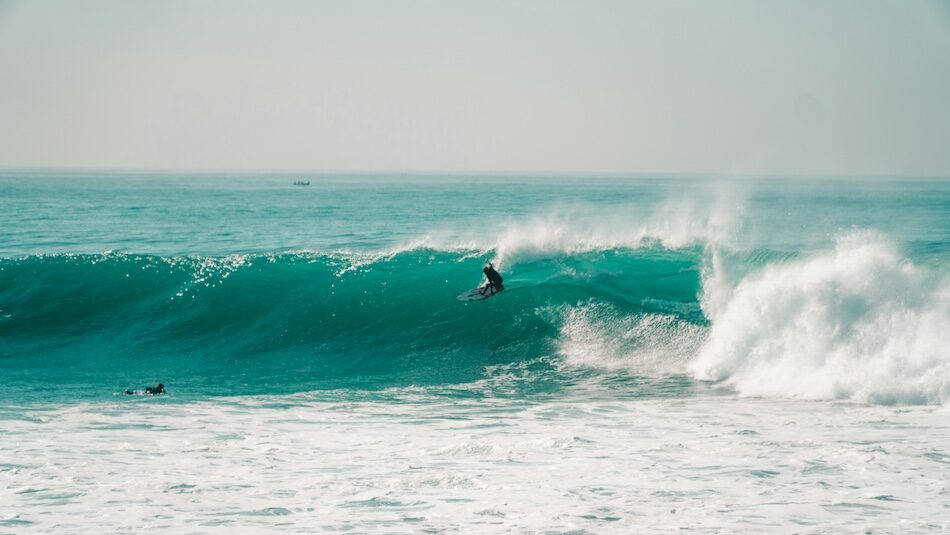
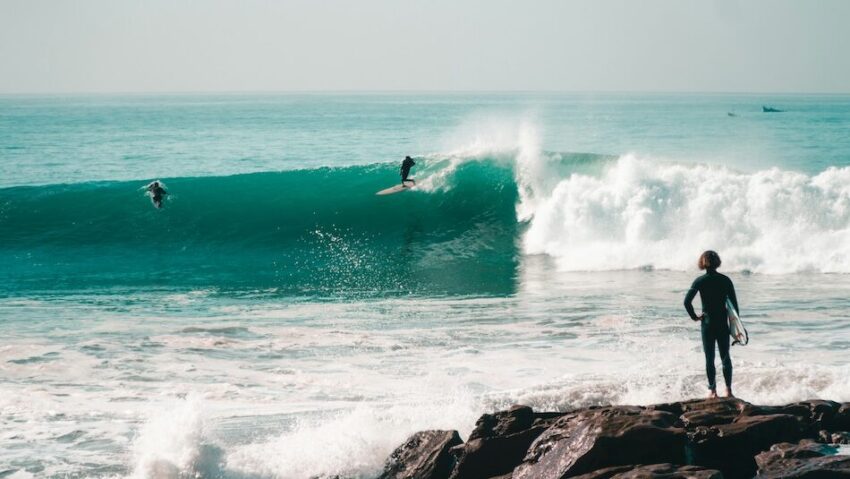
Winter months, from December to March, bring the biggest waves, ideal for intermediate and advanced surfers.
Spring and autumn, particularly March and April, deliver consistent mid-size waves that are enjoyable and not too crowded.
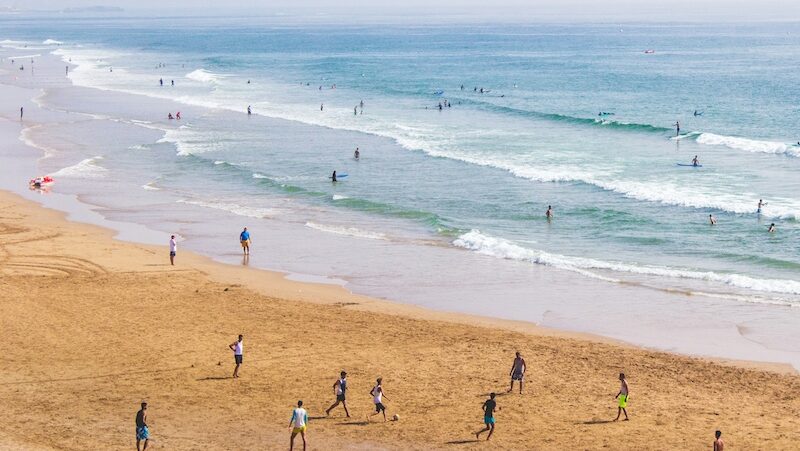
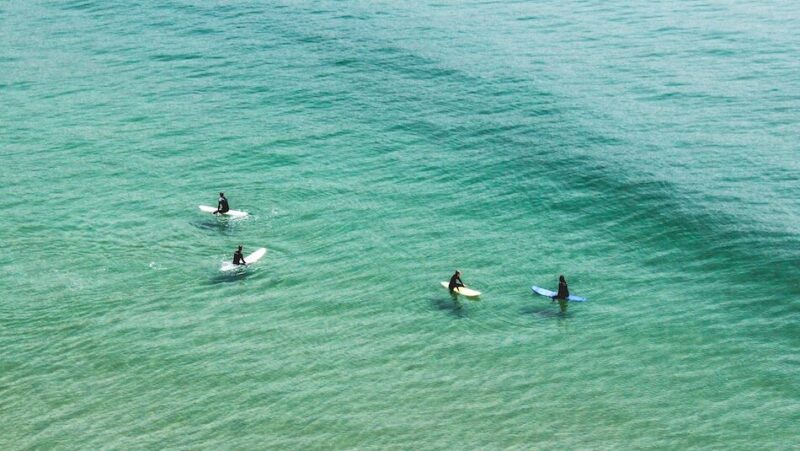
Summer months are calmer, warmer, and perfect for beginners or anyone wanting smaller, manageable waves.
Each season offers a different experience, so knowing the best time to surf Morocco depends on your skill level and personal preferences.
Winter swells can reach impressive heights, while summer gives gentle rolling waves and more beach time.
Key Moroccan Surf Regions
When planning a surf trip, focusing on the main regions helps maximize your experience.
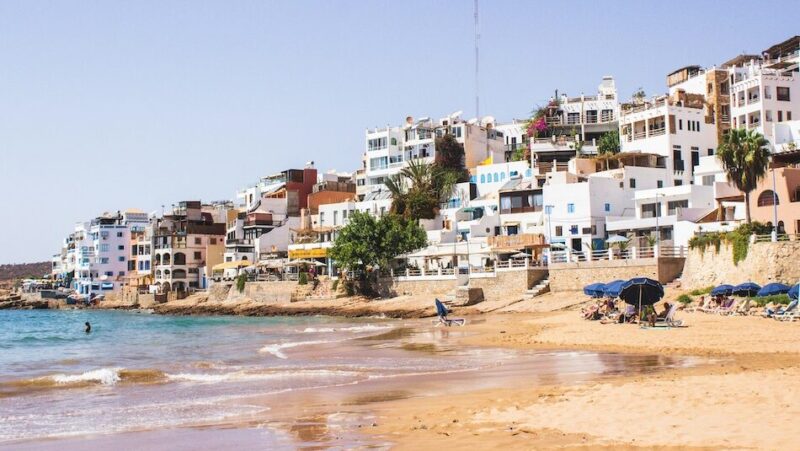
Taghazout, Imsouane, Tamraght, and Essaouira are the top spots, each offering unique waves and atmospheres.
Taghazout
Known for its long right-hand point breaks, Taghazout delivers waves almost every day during winter and shoulder seasons.
It’s perfect for intermediate surfers, but beginners can also enjoy smaller breaks nearby.
A standout day I remember had endless waves from Hash Point to Panorama, making it impossible to get bored.
Imsouane
Famous for its long, mellow rides, Imsouane is ideal for beginners and those wanting relaxed surf sessions.
The bay provides long peeling waves that let you practice turns and build confidence.
Tamraght
Just south of Taghazout, Tamraght is slightly quieter and offers waves suitable for all levels.
The consistency here is impressive, with manageable surf in summer and bigger swells in winter.
Essaouira
On Morocco’s central coast, Essaouira has beach breaks that can be fun in summer and shoulder months.
The waves are less consistent than Taghazout or Imsouane, but it’s perfect for a change of scenery or combining surf with sightseeing.
Peak Surf Conditions: December to March
Winter is when Morocco really shines for surfers seeking more power.
Swells are larger, wind is usually light in the mornings, and the water stays manageable with a wetsuit.
For intermediate or advanced surfers, winter is a dream, with Taghazout offering multiple options in every size.
Crowds are moderate during winter, making it easier to find space on waves.
My trips in March and April showed consistent surf, especially at Taghazout and Tamraght, with multiple good days in a row.
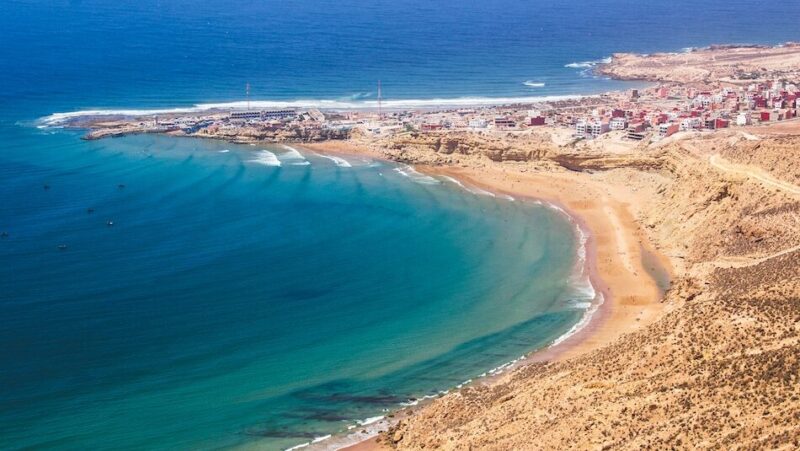
It’s also the best season to see long peeling rides at Imsouane. So when asking yourself, when is Morocco surf good? December to March is best.
Shoulder Season Surf: March, April, October, November
Shoulder seasons provide a balance of wave size, consistency, and smaller crowds.
Morocco best surf months in spring, particularly March and April, offer warm enough water and reliable surf.
Swells are manageable for intermediate surfers and exciting enough for beginners seeking some challenge.
These months also allow for easier travel, fewer tourists, and lower accommodation costs.
Surf schools and Moroccan surf camps are in full swing, providing lessons, equipment, and guidance for first-time visitors.
Summer Surf Conditions: June to August
Summer is when beginners thrive.
The good time to surf Morocco for those just starting out is June to August.
Waves are smaller, wind is lighter, and water is warmer, reducing the need for thick wetsuits. Even intermediates can enjoy fun sessions on mellow points and beach breaks.
Crowds can be slightly higher during school holidays, but the friendly surf culture makes it easy to share waves.
Standout days often come early in the morning when the wind is calm, providing gentle, rolling waves.
Discover the Best Surf Camps
in Morocco
Skill Level Recommendations
Choosing the right season is essential for an enjoyable surf trip.
Here’s a simple breakdown:
- Beginners: June to August, or smaller waves in shoulder seasons. Focus on Imsouane or smaller breaks in Taghazout.
- Intermediate surfers: March to April, with consistent surf at Taghazout, Tamraght, and Imsouane.
- Advanced surfers: December to March, chasing bigger swells and challenging points along Taghazout and nearby breaks.
Remember that even within these months, local wind patterns and tides can affect conditions. Surfing in the morning often offers the calmest water.
Planning Your Morocco Surf Trip
A good surf trip combines waves with practical travel tips.
Here are key points to keep in mind:
- Accommodation: Stay near your preferred breaks for easy access. Moroccan surf camps often include transport, breakfast, and board rentals.
- Transport: Shared taxis are common and budget-friendly.
- Surf Schools: Many schools in Taghazout and Tamraght cater to beginners and intermediates, offering lessons and safety guidance.
- Local Etiquette: Respect local surfers, follow surf line rules, and be polite in small towns.
- Crowds: Arrive early to secure waves, especially in summer.
- Equipment: Bring a mid-length or longboard for beginners, shorter boards for advanced waves.
- Wind & Tide Awareness: Morning surf is often best, afternoons can get windy.
Avoiding Common Mistakes
Many first-time visitors pick the wrong month or beach. Beginners often try advanced breaks, while experienced surfers sometimes visit too small waves.
Planning with one of our Morocco surf guides can prevent frustration and maximize fun.
Top Surf Trip Tips Morocco
- Start early to avoid crowds.
- Book accommodation close to breaks.
- Check Taghazout surf forecast daily.
- Use Moroccan surf camps for guidance. Our Top 7 Morocco Surf Camps can be found here.
- Respect local surf etiquette.
- Take lessons if new to surfing.
- Pack a light wetsuit for winter.
- Explore different breaks for variety.
Personal Swell Stories
One of my favourite surf days was in Taghazout during April. Waves kept coming all morning, from Hash Point to Panorama, giving endless rides.
At Tamraght, I found consistent sets that let me try manoeuvres and flow along long walls. Imsouane offered a relaxing afternoon with mellow, long rides that felt effortless.
Experiences like these highlight when is Morocco surf good and why multiple regions matter.
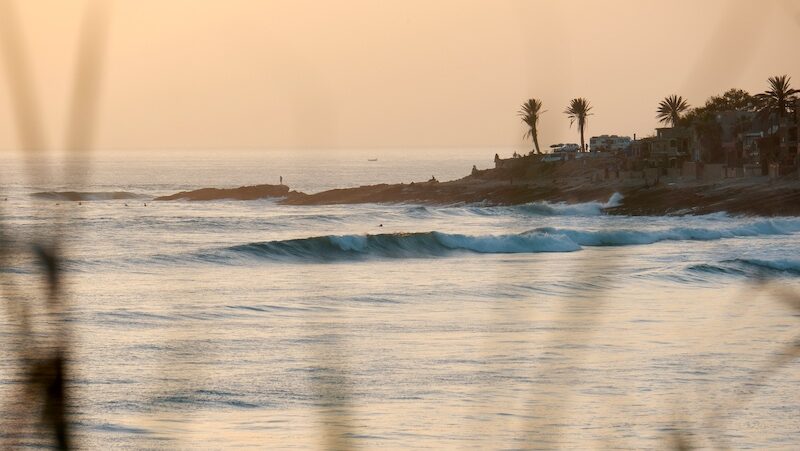
Best Moroccan Surf Spots By Skill Level
- Beginners: Imsouane Bay, small beach breaks in Tamraght.
- Intermediate: Taghazout points, Tamraght right-handers.
- Advanced: Killer winter swells at Anchor Point, Boilers, and Crocodile Rock.
Crowds And Peak Times
Crowds are highest in summer, especially June to August, but waves are plentiful.
Shoulder seasons offer smaller crowds, making April and October perfect for more relaxed sessions.
Winter brings bigger swells with moderate crowds, ideal for advanced surfers chasing consistent action.
Final Thoughts: When Is Morocco Surf Good?
After surf trips across Taghazout, Imsouane, and Tamraght, I can confidently say when is Morocco surf good depends on your skill and goals.
Beginners thrive in June to August, intermediates in March and April, and advanced surfers chase winter swells from December to March.
Whatever month you choose, planning with a Morocco surf guide, checking local forecasts, and respecting surf etiquette ensures your trip is fun, safe, and memorable.
Get ready to ride Morocco’s waves, explore its culture, and enjoy an unforgettable surf adventure.
Frequently Asked Questions
The good time to surf Morocco for beginners is June to August. Waves are smaller, warmer, and manageable. Schools and camps provide guidance, helping you enjoy consistent surf safely.
December to March is best. Swells are larger and more powerful, perfect for intermediate and advanced surfers seeking challenging conditions.
Yes. March, April, October, and November offer consistent mid-size waves with fewer crowds, ideal for intermediate surfers and learners seeking manageable surf.
Imsouane Bay, Tamraght beach breaks, and smaller Taghazout points are great. Long mellow rides help beginners practice turns and balance.
Mornings usually have lighter wind, providing cleaner waves. Afternoons can get windy, making waves choppy. Tides affect wave shape, so check Taghazout surf forecast daily.
Absolutely. Camps provide lessons, board rentals, accommodation, and insider advice on Moroccan surf spots, helping first-time visitors avoid mistakes.
June to August sees more tourists and surfers. Early mornings are best to avoid crowds. Shoulder seasons are quieter with equally enjoyable surf.
Beginners can use a mid-length board. Advanced surfers need a shortboard for big waves. A wetsuit is useful in winter, but summer is warm enough for boardshorts.