This post includes affiliate links. If you choose to purchase through them, I may receive a small commission at no extra cost to you.
Why I Chose Surfing Morocco Without a Car
Before my first trip to Morocco, I spent hours reading forums and travel blogs trying to figure out whether renting a car was necessary.
Many surf guides make it sound like a vehicle is essential if you want to score good waves, but my experience turned out to be very different.
After two weeks exploring the coast, I discovered that surfing Morocco without a car was far easier than I expected.
I stayed in several surf towns, surfed multiple breaks, used public transport, shared taxis, and surf camp shuttles, and never once felt stranded.
There were moments when a car would have given me more freedom, but for the type of trip most surfers are planning, I found it completely manageable.
In This Guide
Getting From Agadir Airport to Taghazout
My trip started at Agadir Airport. Instead of dealing with airport taxi negotiations after a long flight, I arranged a shared transfer through my accommodation before arriving.
The transfer cost around 150 MAD (€14 EUR) and took roughly an hour.
As we left the airport, I watched the landscape slowly change from dry hills to the Atlantic coastline.
I had expected the journey to feel stressful, especially since it was my first time in Morocco, but it ended up being one of the easiest parts of the entire trip.
For anyone considering surfing Morocco without a car, arranging an airport transfer in advance is one of the smartest decisions you can make.
It removes uncertainty and gets your trip started smoothly.
The Best Surf Towns to Stay in Without a Vehicle
During my trip, I based myself mainly in Taghazout and Tamraght, while also spending time in Imsouane and Agadir.
Out of all the places I visited, Taghazout and Tamraght were by far the easiest destinations for car-free travel.
When people ask me about the best surf towns in Morocco without a car access, these are always my first recommendations.
Both towns are compact, walkable, and built around surfers. Restaurants, surf shops, accommodation, cafes, and transport options are all close together.
One reason the best surf towns in Morocco without a car access work so well is that many visitors are travelling exactly the same way.
It becomes easy to find people heading to the same surf breaks or sharing taxis to nearby spots.
Where I Stayed and Why Location Matters
I stayed in a small surf hostel in Taghazout that was less than five minutes from the beach. Every morning I could walk to the surf, grab breakfast nearby, and reach shops or transport without needing any planning.
If you’re researching where to stay surfing Morocco without a car, location matters more than luxury.
Being close to the beach and transport links makes the entire experience easier. My hostel sat right in the middle of town, which meant I rarely needed transport for daily activities.
The best answer to where to stay surfing Morocco without a car is usually somewhere central in Taghazout or Tamraght.
Both towns allow you to walk almost everywhere and eliminate many of the logistical challenges people worry about before arriving.
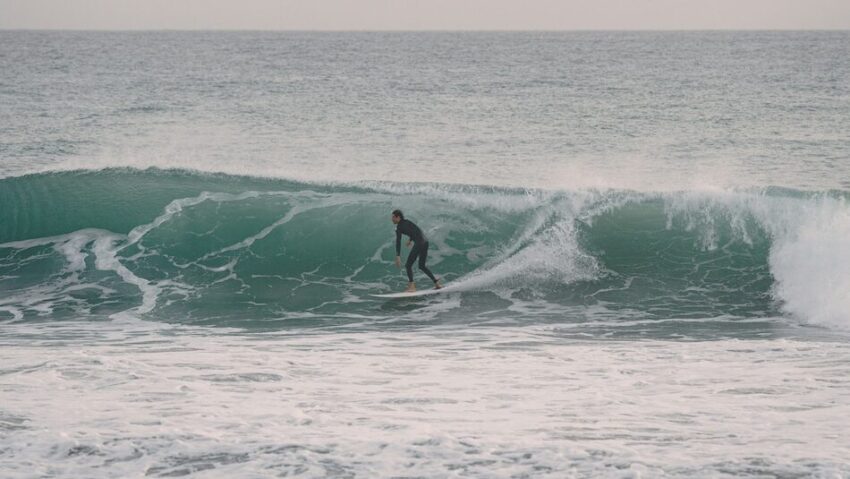
How I Reached Surf Spots Every Day
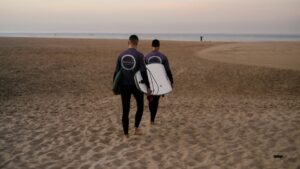
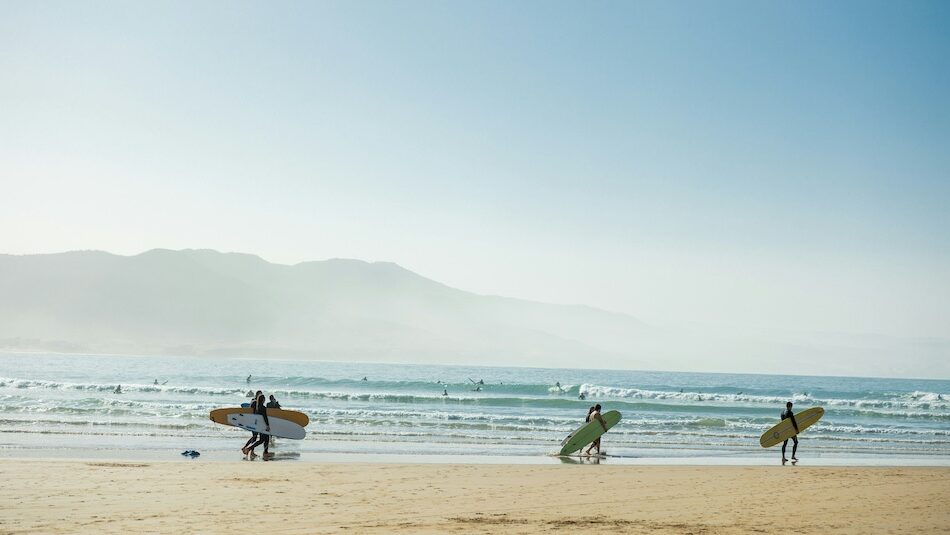
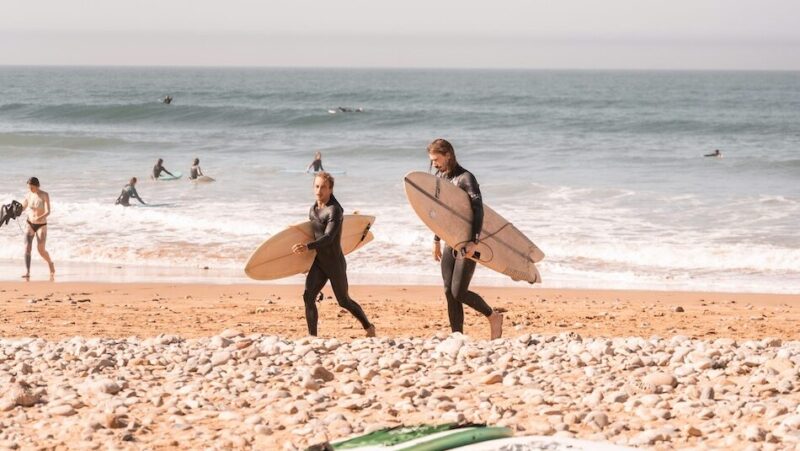
Most mornings began with a simple walk through town carrying my board. The narrow streets filled with surfers heading toward the beach became part of my daily routine.
When conditions looked better at another break, I joined group shuttles or shared taxis with other surfers.
This system worked surprisingly well.
Rather than spending time driving and searching for parking, I spent my mornings chatting with fellow travellers while checking forecasts and discussing where to surf.
This was one of the biggest reasons I enjoyed surfing Morocco without a car. The journey to the waves felt social and relaxed rather than rushed.
Surf Breaks That Are Easy to Access Without a Car
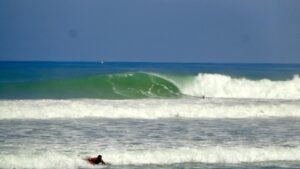
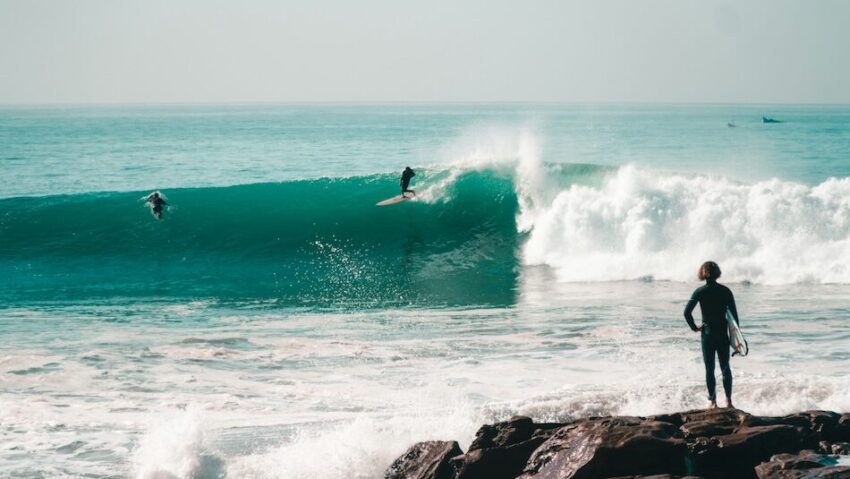
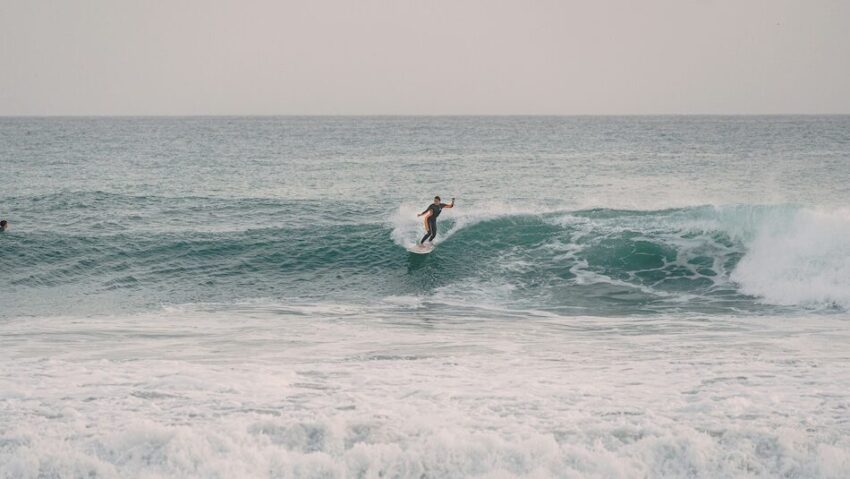
Throughout the trip, I surfed Panorama Beach, Crocodiles, Banana Point, and Devil’s Rock. Most of these breaks were either within walking distance or required only a short taxi ride.
Panorama Beach became one of my favourite spots because of how convenient it was. Banana Point was equally straightforward to reach, especially when sharing transport with other surfers.
For travellers focused on surfing Morocco without a car, these popular breaks offer plenty of quality waves without requiring complicated logistics.
Most surf schools and surf camps also visit these locations regularly, making access even easier.
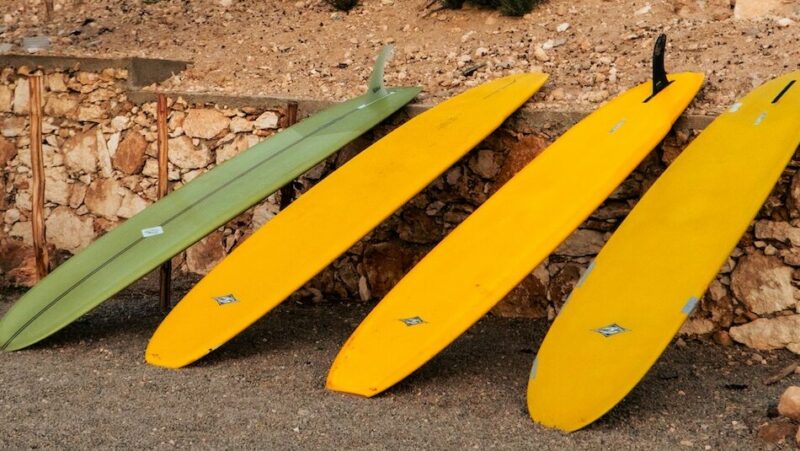
Discover The Best Surf Camps
In Morocco
Visiting Imsouane Without Renting a Car
Imsouane was the destination that required the most planning. The town sits further up the coast, and transport schedules are less frequent than around Taghazout and Tamraght.
Even so, getting there was completely possible using shared transport and local services.
Once I understood departure times, the journey became straightforward. The long rides also gave me a chance to observe more of rural Morocco and travel alongside locals.
While Imsouane is still among the best surf towns in Morocco without a car options, it requires slightly more organisation than Taghazout.
If you enjoy slower travel and don’t mind planning ahead, it is absolutely worth visiting.
Using Public Transport Along Morocco’s Surf Coast
One thing that surprised me was how practical Morocco surf travel using public transport can be.
Before arriving, I imagined confusing bus stations and language barriers. Instead, I found a network that connected most major surf destinations reasonably well.
Local buses, shared taxis, and organised surf transfers covered nearly every route I needed.
Although schedules occasionally changed, I was almost always able to reach my destination without major problems.
For many travellers, Morocco surf travel using public transport ends up being much cheaper than expected.
It also creates opportunities to interact with locals and other surfers in ways that never happen when you’re driving alone.
Why Surf Camps Make Transportation Easier
Many accommodations along the coast offer daily transport to surf breaks. This is one reason surf camps in Morocco with transport included have become so popular.
Several times during my trip, conditions improved at breaks outside walking distance.
Rather than organising taxis myself, I simply joined a surf camp shuttle heading in the same direction. It saved money, reduced stress, and simplified decision-making.
If you’re nervous about surfing Morocco without a car, booking one of the many surf camps in Morocco with transport included can solve most logistical challenges immediately.
The staff already know the local conditions and coordinate transport daily.
If you’re looking for a surf camp, check out the 6 Best Surf & Yoga Retreats in Taghazout & Tamraght, or, if you want an all-inclusive stay, check out the 5 Best All-Inclusive Surf Camps in Morocco.
How Much Money I Spent on Transportation
Over roughly two weeks, I spent between 600 and 800 MAD (€55 to €75 EUR) on airport transfers, buses, and occasional taxis.
Even when I added a few last-minute rides chasing better waves, my transport expenses remained surprisingly low.
Compared with rental costs, fuel, parking, and insurance, the savings were significant. Transportation ended up being one of the cheapest parts of my trip.
This was another reason I appreciated surfing Morocco without a car. I could spend more money on accommodation, food, and extra surf sessions instead of worrying about vehicle expenses.
The Biggest Advantages and Challenges
The biggest advantage was feeling connected to the places I visited.
Walking through Taghazout every day meant recognising cafe owners, surf instructors, and local shopkeepers. Small interactions became part of the experience.
Some of my favourite memories happened during shared taxi rides with surfers heading to the same breaks. These conversations often led to surf tips, restaurant recommendations, and new friendships.
The biggest challenge was flexibility.
There were mornings when another break was reportedly firing, but reaching it required waiting for transport or finding enough people to split a taxi.
Those situations were frustrating, but they happened less often than I expected. For most visitors, the benefits of surfing Morocco without a car outweigh the limitations.
Practical Tips for First-Time Visitors
If you’re planning Morocco surf travel using public transport, a few simple preparations can make your trip smoother:
- Book airport transfers before arrival.
- Download offline maps.
- Carry cash for buses and taxis.
- Stay in Taghazout or Tamraght.
- Check transport schedules the day before.
- Join surf camp shuttles when available.
- Leave flexibility in your daily plans.
- Ask locals about transport updates.
Following these simple habits made Morocco surf travel using public transport much easier throughout my trip.

My Recommendation After Two Weeks on the Coast
Looking back, I would absolutely recommend surfing Morocco without a car to most travellers.
Beginners, solo travellers, budget surfers, and anyone planning to spend time in Taghazout or Tamraght will likely find it easier than expected.
Would a rental car provide more freedom? Definitely. Experienced surfers chasing multiple breaks every day may benefit from having one.
But for the majority of visitors, surf camps in Morocco with transport included and local travel options provide everything needed for a memorable trip.
The reality is that best surf towns in Morocco without a car access already have the infrastructure surfers need.
After experiencing surfing Morocco without a car first-hand, I found the trip simpler, cheaper, and far more enjoyable than I expected.
Frequently Asked Questions
Yes. Many surf towns are walkable, and local buses, shared taxis, airport transfers, and surf camp shuttles connect most major surf destinations. Many visitors complete their entire surf trip without driving.
Taghazout and Tamraght are generally considered the easiest options. Both offer beaches, restaurants, accommodation, surf schools, and transport within walking distance of most places.
Public transport is generally reliable for coastal travel. Buses and shared taxis connect major towns, although schedules can occasionally change, so leaving extra time is always helpful.
Central areas of Taghazout and Tamraght are excellent choices. Staying near the beach and transport links allows you to access surf breaks, restaurants, and services without needing a vehicle.
Yes. Many camps provide daily transfers to surf breaks, making travel much easier. They are especially useful for beginners and visitors unfamiliar with local transport systems.
Costs vary, but many surfers spend far less than they would on a rental vehicle. Shared taxis, buses, and surf camp transfers are generally affordable options.
Yes. Reaching Imsouane requires more planning than Taghazout or Tamraght, but buses, transfers, and shared transport make it accessible for travellers without their own vehicle.
Yes. Many buses and taxis still prefer cash payments. Carrying small amounts of local currency makes travel smoother and avoids unnecessary delays.
It works especially well for beginners, solo travellers, budget surfers, and people staying in established surf towns where transport, accommodation, and surf breaks are located close together.
You may occasionally miss some remote breaks or spontaneous opportunities. However, most travellers can access plenty of high-quality surf using local transport and organised surf transfers.