
This post includes affiliate links. If you choose to purchase through them, I may receive a small commission at no extra cost to you.
Miramar Surf Guide Overview
-
 By
Matt
By
Matt
- Updated | October 05, 2026

This Miramar surf guide covers everything you need to plan a surf trip to this quiet Pacific coast village in Nicaragua.
Miramar is small. Remote. Surf-focused.
The big attraction is the wave variety packed into a short stretch of coastline.
You have the long left at Miramar Point. Fast reef waves. Punchy beachbreak peaks. Then there is powerful Puerto Sandino nearby.
The best surf arrives with Southern Hemisphere swells, especially from April through October. Nicaragua’s famous easterly winds can also keep the wave faces clean, and always tempting you to keep surfing.
Quick Facts About Miramar
Country
Nicaragua
Location
León Department, Pacific Coast
Best Surf Season
May to October
Water Temperature
27–29°C (81–84°F)
Best For
Intermediate To Advanced Surfers
Closest Major Airport
Augusto C. Sandino International Airport (MGA)

In This Guide

Compare Prices, Book Today
How Many Days For A Miramar Surf Trip?
Quick Surf Trip
2 to 3 Days
Enough for a glimpse of Miramar and the town. Especially if the swell is already running.
Recommended
4 to 6 Days
The sweet spot. You have more time to work around changing swell, tides and wind.
Slow Travel
7+ Days
Best for a deeper trip. You can explore the wider Puerto Sandino area, take boat trips and wait for a serious south swell.
Best Time To Surf Miramar
| Jan | Feb | Mar | Apr | May | Jun | Jul | Aug | Sep | Oct | Nov | Dec |
|---|---|---|---|---|---|---|---|---|---|---|---|
|
|
|
|
|
|
|
|
|
|
|
|
|
-
Peak Miramar Surf Season | April to October
Suited For Intermediate & Advanced
This is your main surf window. Southern Hemisphere swells become more frequent. April through September generally offers the strongest mix of swell, consistency and winds.
Some days are playful. Others are powerful and overhead. It depends on the break and the swell. The easterly and northeasterly wind pattern is a major advantage. It can keep the waves clean for much of the day.
Crowds are generally manageable. Popular sessions and boat trips can bring more surfers into the lineup, but Miramar still feels far removed from Nicaragua’s busier surf towns.
-
Shoulder Miramar Surf Season | March & November
Suited For All Skill Levels
March marks the start of the Southern Hemisphere swell season. Things begin to wake up.
November is the opposite. The main swell season starts fading, but late-season pulses can still produce good waves.
These months can suit intermediate surfers looking for quieter lineups and less intensity. Conditions are less predictable than during peak season. You might score. You might wait. Miramar does not simply switch off, though.
-
Low Miramar Surf Season | December to February
Suited For Beginners & Intermediate
December through February is the smaller surf period. Wave size and consistency generally drop compared with the April to October season. There can still be fun waves, especially on smaller boards and more forgiving equipment.
The big advantage is the weather. These are some of Miramar’s driest months.
The clean wind pattern can still produce fun conditions. This period suits intermediate surfers, longboarders and anyone who enjoys smaller, easier waves rather than chasing powerful barrels.
Miramar Water Temperature, Surf Gear & Weather Guide
-
SUMMER
| Jun - Aug | -
AUTUMN
| Sep - Nov | -
WINTER
| Dec - Feb | -
SPRING
| Mar - May |
Miramar Water Temperature:
29°C (84°F)
What To Wear:
Boardshorts and a rashguard. Bring reef booties for Miramar Point and Shacks.
Rainfall:
12 rainy days per month on average. This is prime surf season. Yes, it’s wetter. But rain does not automatically mean bad surf. The combination of warm water, southern swells and regular easterly winds makes this one of the strongest periods for your Miramar surf trip.
Miramar Water Temperature:
28-29°C (82-84°F)
What To Wear:
Boardshorts and a rashguard. Pack a lightweight waterproof layer for wet afternoons.
Rainfall:
13 rainy days per month on average. September and October are among the wettest months. They can still deliver excellent surf, though.
Miramar Water Temperature:
28°C (82°F)
What To Wear:
Boardshorts, bikini, trunks and a lightweight rashguard.
Rainfall:
0 rainy days per month on average. Winter is the dry season. January and February are especially dry. It’s a comfortable time to spend long days outside, explore the coast and enjoy the beach. The trade-off is smaller surf.
Miramar Water Temperature:
27–29°C (81–84°F)
What To Wear:
Boardshorts and a rashguard. Reef booties are worth packing for shallow reef breaks.
Rainfall:
5 rainy days per month on average. March to May remain relatively dry. Rain starts increasing as the wet season gets underway. At the same time, the Southern Hemisphere swell season starts becoming more interesting. For surfers, it’s a good trade.
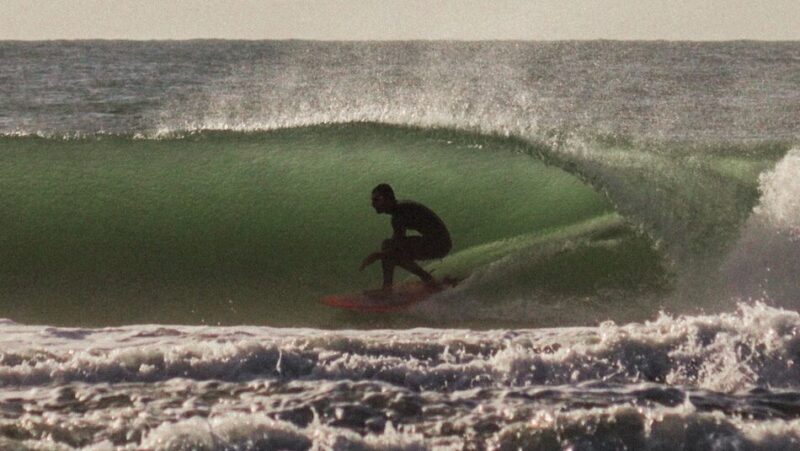
Surf Spots Within 5km or 3 Miles From Miramar
| Miramar Surf Spots | Distance from Town Center | Wave Size | Wave Quality | Skill Level |
|---|---|---|---|---|
|
Miramar Point |
0.5km (0.3mi) |
3-12ft |
Powerful Reef Point |
Intermediate to advanced |
|
Pipes |
1km (0.6mi) |
2-8ft |
Fast Reef and Sand |
Intermediate to advanced |
|
The Breakwater |
1-2km (0.6-1.2mi) south |
2-6ft |
Wedging Peaks |
Intermediate to advanced |
|
Shacks |
0.5km (0.3mi) |
4-8ft |
Fast Hollow Reef |
Advanced |
|
Shifty’s |
0.5km (0.3mi) |
3-6ft |
Fun Beachbreak |
Intermediate |
|
Puerto Sandino |
2.3km (1.4mi) |
3-12ft+ |
Long Powerful Left |
Advanced |
|
Note: Wave size varies considerably with swell direction, tide and seasonal conditions. Distances and travel times are measured from central Miramar, so your actual journey will depend on where you stay. |
||||
Miramar Surf Spot Guide
- Miramar Point
- Pipes
- The Breakwater
- Shacks
- Shifty's
- Puerto Sandino
Ideal Conditions:
- Tide: Mid to high tide
- Wind: East to northeast
- Swell Direction: South to southwest
- Crowd Factor: Low
Miramar Point is the main attraction. It’s a reef break with several takeoff zones and a standout left that can run a long way down the point. A shorter right can appear when the swell gets bigger.
Smaller days can make the inside section more approachable. Bigger swells shift the action further outside and add plenty of power. Watch the reef carefully. Some sections become very shallow.
Rating: 4.5/5
Ideal Conditions:
- Tide: Dropping Mid Tide
- Wind: Northeast
- Swell Direction: South to southwest
- Crowd Factor: Low to Moderate
Pipes gives you a mix of rights and lefts. The wave can be quick and punchy, with the rights often producing the more intense sections.
The combination of reef and sand creates plenty of variation. When the swell increases, Pipes can become hollow and fast. It’s a strong alternative when Miramar Point is crowded or not lining up properly.
Rating: 4/5
Ideal Conditions:
- Tide: Mid to high tide
- Wind: East to northeast
- Swell Direction: South to southwest
- Crowd Factor: Low
The Breakwater is a newer surf option along the coast. The structure changes how the incoming swell behaves, creating peaks that can break in both directions.
It’s less predictable than some of the established reefs. That is part of the fun. Look for the right combination of swell and tide and you can find some playful peaks.
Rating: 3.5/5
Ideal Conditions:
- Tide: Mid to high tide
- Wind: Northeast
- Swell Direction: South to southwest
- Crowd Factor: Low to moderate
Shacks is not an easy wave.
It’s fast. Hollow. Shallow. The left breaks over sharp reef and can produce excellent sections when the tide and swell line up. Higher water gives the wave more room to work. On a low tide, sections can become extremely shallow and start breaking apart.
When the swell gets serious, Shacks demands experience. Get it right, though, and the reward is excellent.
Rating: 4/5
Ideal Conditions:
- Tide: Mid to high tide
- Wind: Northeast
- Swell Direction: South to southwest
- Crowd Factor: Low to moderate
Shifty’s is the more playful wave near Shacks.
It’s a sand-bottom beachbreak with plenty of movement. Rights and lefts appear across the section, with short walls, ramps and occasional barrel sections depending on the swell.
The outside reef can help shape the incoming lines on larger days. It can produce occasional lefts and rights too. When the swell is smaller, however, that section can become soft and slow.
Rating: 3.5/5
Ideal Conditions:
- Tide: Low to mid incoming tide
- Wind: Northeast
- Swell Direction: South to southwest
- Crowd Factor: Low
Puerto Sandino is the heavyweight. This is the wave experienced surfers come looking for. A strong south swell can turn the river-mouth sandbar into a long, powerful left with serious speed and plenty of barrel potential.
Rides can cover a huge distance when the wave is properly connected. When it fires, Puerto Sandino can be unforgettable.
Rating: 5/5
How To Reach Miramar Surf Spots Without A Car
| Miramar Surf Spots | Walking Time | Biking Time | Public Transport |
|---|---|---|---|
|
Miramar Point |
5-10 min |
2-5 min |
Not required |
|
Pipes |
10-15 min |
5 min |
Not required |
|
The Breakwater |
15-20 min |
5-10 min |
Not required |
|
Shacks |
5 min |
2-3 min |
Not required |
|
Shifty’s |
5-10 min |
2-3 min |
Not required |
|
Puerto Sandino |
30-40 min |
10-15 min |
Boat access recommended |
|
Note: Distances and travel times are measured from central Miramar, so your actual journey will depend on where you stay. |
|||
Surfing Miramar Without A Car
The biggest advantage of a Miramar surf guide trip is how easy it is to get around without a car.
The main breaks are close.
Miramar Point, Pipes, Shacks, Shifty’s and the Breakwater are all clustered along the coast. You can walk between many of them. Simple.
Need a bike? Your surf camp or accommodation can usually help arrange one. There is no dedicated bike-hire operation in town.
Puerto Sandino is different. Do not try to paddle there from shore. Book a surf camp boat trip instead. It is easier. Safer. And far more practical.
Miramar Accommodation
Accommodation is limited compared with larger Nicaraguan surf destinations, which is part of Miramar’s appeal. You can find simple rooms, surf lodges and more comfortable beachfront stays.
Booking.com is useful for comparing the available properties and checking current prices.
If you’re comparing Nicaragua destinations, it also makes sense to look at accommodation options in Popoyo, San Juan Del Sur and El Gigante if you want a different style of surf trip.
| Accommodation Type | Description | Price Range (EUR)* | Price Range (USD)* |
|---|---|---|---|
|
Hostels |
Dormitory-style accommodation |
€20 to €55 |
$25 to $55 |
|
Mid-range Hotels/Serviced Apartments |
Studio apartments, motels, or 1-bedroom units |
€85 to €170 |
$100 to $200 |
|
Luxury Stays |
Luxury beachfront resorts or high-end apartments |
€190 to €450+ |
$220 to $550+ |
|
*Rates are per night and subject to change. |
|||
Miramar Surf Trip Budget Guide
This Miramar surf guide budget section gives you a realistic daily starting point. Miramar is remote, so transport and surf trips can push your costs higher than in larger Nicaraguan towns.
Budget Surf Trip
$45–$115 USD per day
Includes:
– Basic roo
– Local meals
– Walking between surf breaks
– Occasional surfboard rental
– A few low-cost activities
– Limited taxi or local transport
Comfortable Surf Trip
$155–$280 USD per day
Includes:
– Private room
– Meals, snacks and drinks
– Regular surfboard rental
– Occasional taxi or transport
– Surf lessons or guiding
– Some paid activities
Premium Surf Trip
$350+ USD per day
Includes:
– Boutique accommodation
– Restaurants & dining options
– Private surf lessons
– Boat trips to Puerto Sandino
– Private airport transfers
– Drinks and extra activities
Miramar Surf Lessons & Surf Schools
Miramar is not a big surf-school destination. You will not find rows of surf schools along the beach. Instead, most surfers keep things simple and stay at a surf camp.
This can actually make the trip easier.
Your accommodation, surf lessons, boards and surf trips can all be arranged in one place. Miramar surf camps is the main option for surfers who want that setup.
Is Miramar Good For Beginners?
Miramar can work for beginners, but wave selection matters. A lot.
Miramar Point can become fast and shallow. Shacks is even more demanding when the swell picks up. Those are not the waves you want for your first few sessions. Smaller days at Shifty’s can be more manageable.
New surfers should take a lesson before heading into the main lineup. A local instructor can show you where to sit, which waves to avoid and how the reef behaves.
Miramar Surf Camps
Miramar SurfCamp is the easy choice if you want your surf trip organised around the waves.
You are close to the ocean, with beachfront access, ocean views, 2 swimming pools, a restaurant and bar on site.
Rooms range from simpler options to larger rooms with ocean views, with some offering balconies and private bathrooms.
When the waves go quiet, you can enjoy yoga, fitness, hiking or pool time.
Airport transfers and surf packages are also available, with some packages including meals, surf trips and transportation.
That can make the whole trip much easier. Find Out More
Miramar Surfboard Hire & Rentals
Miramar is not the kind of place where you will find a big surfboard-rental scene.
The easiest approach is to organise your board through your surf camp or accommodation. This is especially useful if you want to try several breaks during your stay.
A surf camp can also help match the board to the conditions.
Smaller board for easier days. More volume when the waves are soft. Something more performance-focused when the swell gets serious.
Nicaragua eSIM & Mobile Data Guide
An eSIM is handy in Miramar.
You can use your phone for airport transfers, maps, WhatsApp, accommodation messages and checking the forecast. No need to spend your first hour in Nicaragua searching for a SIM card.
Airalo has Nicaragua eSIM plans that can be purchased before your flight. Get connected before you leave the airport.
Miramar Surf Report & Surf Cam
Check the forecast before every session. Look at swell direction, swell period, wind and tide. These can change the character of the waves quickly.
Surf-Forecast is useful for checking upcoming conditions. Surfline can also help with current surf information and available cameras in the Miramar and Puerto Sandino area.
Do not rely on one forecast. Check again before you paddle out.
How To Get To Miramar
- Augusto Cesar Sandino International Airport (MGA) To Miramar
Distance: 92km (57mi)
The main airport for Miramar is Augusto C. Sandino International Airport in Managua. It’s roughly 92 km (57 miles) from Miramar.
The actual driving distance can vary depending on where you are staying and which road is used. From Managua, the journey heads northwest before continuing towards the Puerto Sandino and Miramar area.
The easiest option is to arrange your transport before arriving. Especially if you have surfboards.
- Taxi/Rideshare
- Public Transport
- Shuttle Service
Taxi or Rideshare
Approx. 1-1.5 hrs.
Details:
A private taxi is the simplest way to reach Miramar from Managua Airport.
The drive takes around 1 hour and 20 minutes under normal conditions. A pre-booked car is usually the least stressful option after a long flight.
Rideshare availability can be less predictable outside Managua. I would arrange the ride ahead of time.
Public Transport
Approx. 3+ hrs.
Details:
Public transport is possible, but it takes more effort.
You will need to travel towards the Puerto Sandino area before arranging transport for the final section to Miramar.
It’s slower. There are more connections. And carrying a surfboard makes it even less appealing. For a surf trip, I would choose a private transfer if the budget allows.
Shuttle Service
Approx. 1.5-2.5 hrs.
Details:
A pre-arranged shuttle is another easy option. Miramar surf camps can arrange airport transportation, and some surf packages include transfers.
This is always useful if you are arriving with boards or landing after a long international flight. Get in the vehicle. Relax. Let someone else handle the road.
- Book Your Augusto Cesar Sandino Airport To Miramar Private Transfer
A private transfer takes away one of the biggest hassles of reaching Miramar. Welcome Pickups can be used to arrange a transfer from Managua Airport directly to your accommodation.
You arrive. Your driver is ready. Then you head straight towards the coast.

Travel Insurance For Your Nicaragua Surf Trip
Surfing in a remote part of Nicaragua comes with a few extra considerations. You may be surfing reefs. Taking boat trips. Travelling on rural roads. Spending time far from major medical facilities.
Good travel insurance is worth having.
Look for cover that includes medical expenses, emergency evacuation, surf activities, baggage and cancellations.
Visitors Coverage is one option to compare when looking for a policy that fits your trip.
What To Do In Miramar On Flat Surf Days
Not every day delivers perfect waves. That is normal.
When the surf goes quiet, slow things down. Walk along the beach. Explore the coastline. Eat something local. Read by the pool.
You can also head towards León for a change of scenery. León gives you more restaurants, historic buildings, culture and things to see. Then come back to the coast.
You can also find and book additional activities through Viator below.
Nicaragua Travel Information | 7 Essentials You Need To Know
Nicaragua uses the Córdoba, while US dollars are also widely used by travellers.
Spanish is the main language. WiFi is available at many accommodations, but mobile data is useful when travelling around remote areas such as Miramar. Visa and entry requirements depend on your nationality, so check the current rules before flying.
For more information, check our Nicaragua Surf Guide.
Pros & Cons Of Surfing Miramar
Miramar is not polished or built around mass tourism. You get a quieter surf setting, several different waves and access to one of Nicaragua’s most famous powerful breaks.
But the remote location has trade-offs.
- Pros
- Several waves close together
- Strong surf from April to October
- Warm water throughout the year
- Regular offshore winds
- Quiet and laid-back atmosphere
- Great option for experienced surfers
- Cons
- Few restaurants and shops
- Small surf-school scene
- Several shallow reef breaks
- Limited accommodation
Final Thoughts On This Miramar Surf Guide
This Miramar surf guide comes down to variety. The area is small, but the waves are not.
Miramar Point gives you a quality reef break. Pipes brings faster peaks. Shifty’s can provide a more playful option. Shacks gets serious when the swell arrives.
Then there’s Puerto Sandino. That wave is in another league.
If you want the best chance of scoring Miramar at its most consistent, April through October is the main window to target.
Come prepared. Keep your plans flexible. And respect the reef.
Miramar Surf Guide FAQs
Where should you stay in Miramar for surfing?
Staying close to the main surf areas makes getting in the water much easier. Miramar SurfCamp is a practical option with beachfront access, surf activities and rooms close to the waves. It also makes a good base if you want to surf without a car.
What type of waves can you surf in Miramar?
Miramar has a mix of reef breaks, beach-style waves and more powerful surf. Some spots are manageable for improving surfers when conditions are smaller. The stronger breaks are better suited to confident intermediate and advanced surfers.
How long should you stay in Miramar for surfing?
A few days can be enough to get a taste of the local waves. A week gives you more time to wait for better conditions and explore different breaks. Longer stays make sense if surfing is the main reason for your trip.
Is Miramar good for a surf trip?
Yes, especially if you want a quieter surf destination away from larger beach towns. The area has consistent waves, surf camps and a relaxed atmosphere. It is also a good choice for travellers who want to focus most of their trip around surfing.
Keep Exploring With More Nicaragua Surf Destinations

Written by Matt
Surfer for nearly 20 years and an environmental scientist for nine, Matt grew up on the Sunshine Coast in Australia and now calls Melbourne home. He’s all about finding surf towns you can reach without a car and writes simple surf guides to help you do the same.